· 6 min read
Are You a Multiplier or an Accidental Diminisher?
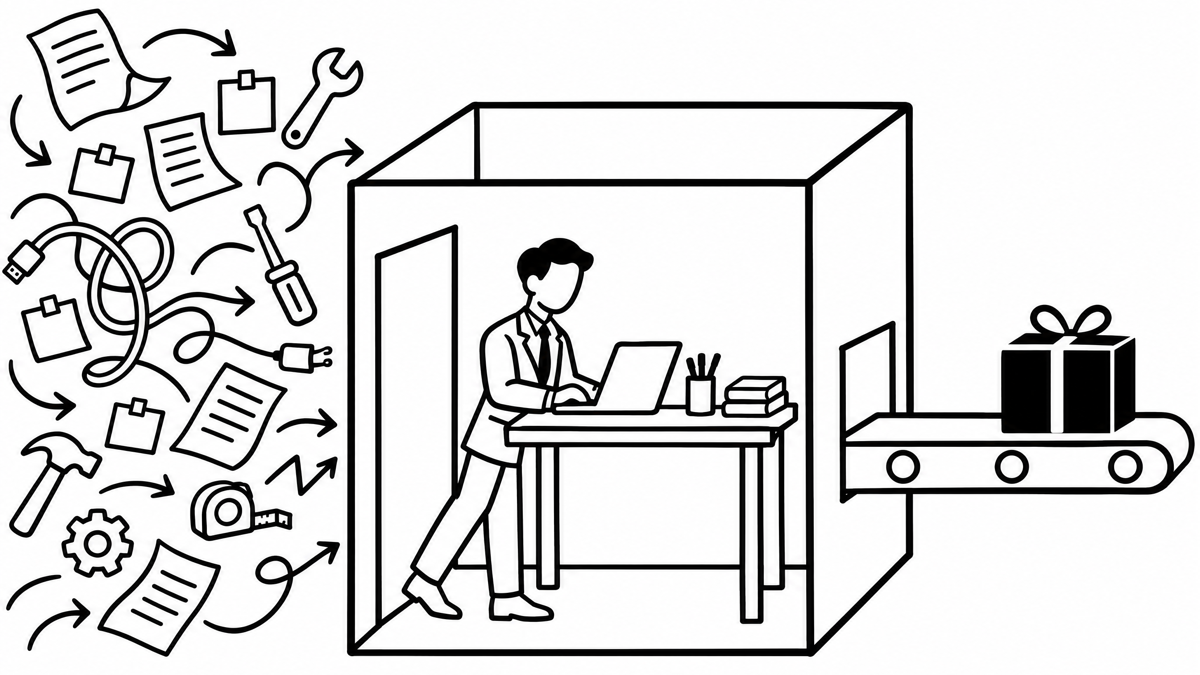
Most managers who shut their people down don’t mean to. They answer first because they know the answer. They jump in to save a project because they care about it. They share ideas all day because they’re full of them. And the team gets quieter, slower and more dependent every week.
That is the simple lesson in Multipliers: How the Best Leaders Make Everyone Smarter by Liz Wiseman, written with Greg McKeown (revised and updated edition, 2017). Some leaders make the people around them smarter and more capable. Others drain them. Most of the draining is accidental, and it comes from the very habits the manager is proud of.
What is a Multiplier?
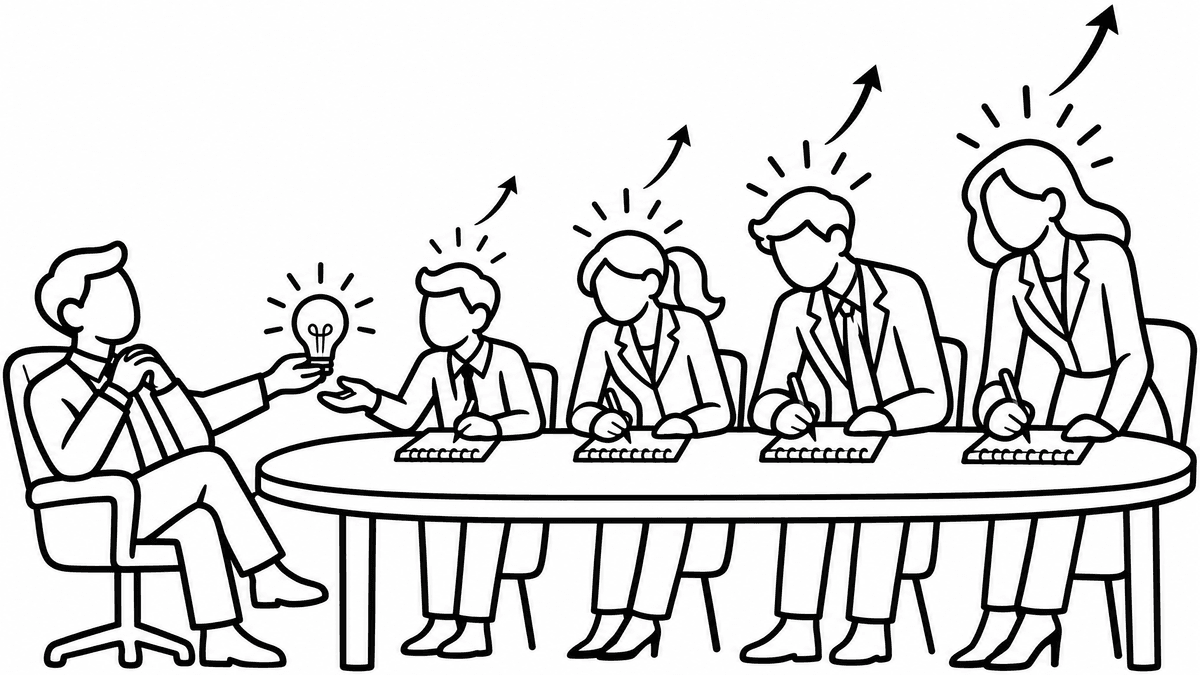
A Multiplier is a leader who gets more from people than they knew they had, by asking hard questions, handing over real ownership and expecting people to think. A Diminisher is the opposite: a leader who is the smartest person in every room and leaves everyone else a little less capable.
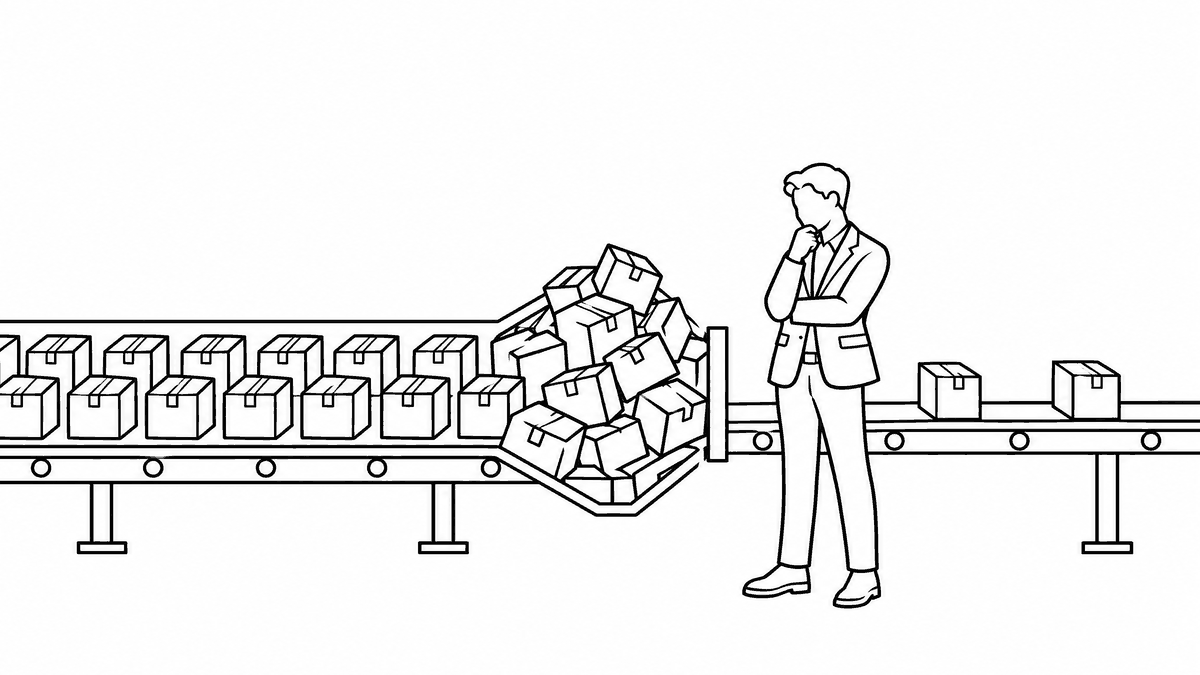
Wiseman studied 150 leaders on four continents. People who had worked for both kinds of leaders rated how much of their ability each one got out of them. Wiseman reported the results in an article for the American Management Association: Diminishers got about 48 percent. Multipliers got 1.97 times as much, nearly double.
For an owner, that means you may not need a second team to double your capacity. You’re already paying for a big share of it. Your management habits decide whether it shows up.
What do Multipliers do differently?
Multipliers treat their people as smart and give them room to prove it. Wiseman describes five habits that separate the two types. Here they are, in my words:
- Talent Magnet vs. Empire Builder. Multipliers attract good people and use them fully. Empire Builders collect people and underuse them.
- Liberator vs. Tyrant. Multipliers make it safe to think and speak up, and they ask for people’s best work. Tyrants create tension that shuts people down.
- Challenger vs. Know-It-All. Multipliers set a stretch challenge and let the team figure out how. Know-It-Alls hand down the answer.
- Debate Maker vs. Decision Maker. Multipliers put hard questions to the team and debate them before deciding. Decision Makers decide alone or in a small circle.
- Investor vs. Micromanager. Multipliers give ownership and hold people to it. Micromanagers keep their hands on everything.
Multipliers can be demanding, often more demanding than Diminishers. They expect people to think, and they don’t do the thinking for them.
What is an accidental diminisher?
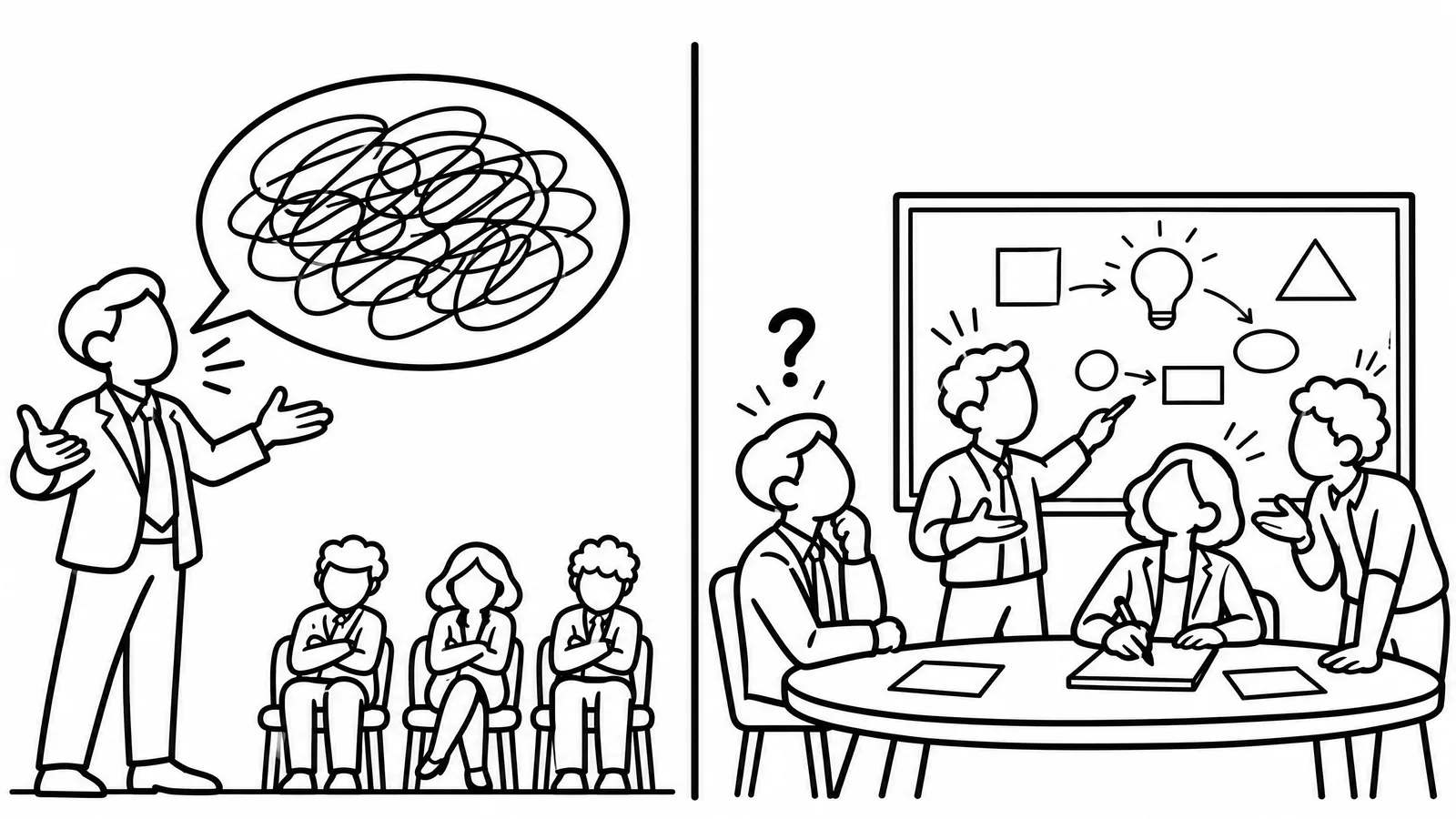
An accidental diminisher is a well-meaning manager whose good habits shrink the team. Wiseman’s own materials say most diminishing happens this way, by people trying to help.
She lists nine profiles. Here are the ones I see most in owner-led companies:
- The Idea Guy. Full of ideas and shares all of them. The team stops bringing its own and starts chasing the idea of the week.
- Always On. Fills every meeting with energy and opinion. People tune out because there’s no space left for them.
- The Rescuer. Steps in the moment someone struggles. People learn to wait for the rescue, and they never build the skill.
- The Pacesetter. Leads by example and moves fast. The team falls behind and becomes spectators.
- The Rapid Responder. Answers every question and email first. The manager grows; nobody else does.
The other four are the Optimist, the Protector, the Strategist and the Perfectionist. Each one starts from a good intention and ends with people who stop trying.
Owners fall into this a lot. You built the company by being the person with the answers. That habit made you successful, and it can now be the thing that caps your team. If people bring you every decision, ask yourself whether they can’t decide or whether you’ve taught them not to.
How do you stop diminishing your team?
Pick the one accidental-diminisher habit that sounds most like you and run a small experiment against it for two weeks. Wiseman pairs each profile with a specific experiment, and they’re simple enough to start this week.
Three that work well:
- Extreme questions. Lead one whole conversation using only questions. No statements, no answers. It feels awkward the first time. It also shows you how much your team knows when you stop filling the silence. (Fits the Idea Guy.)
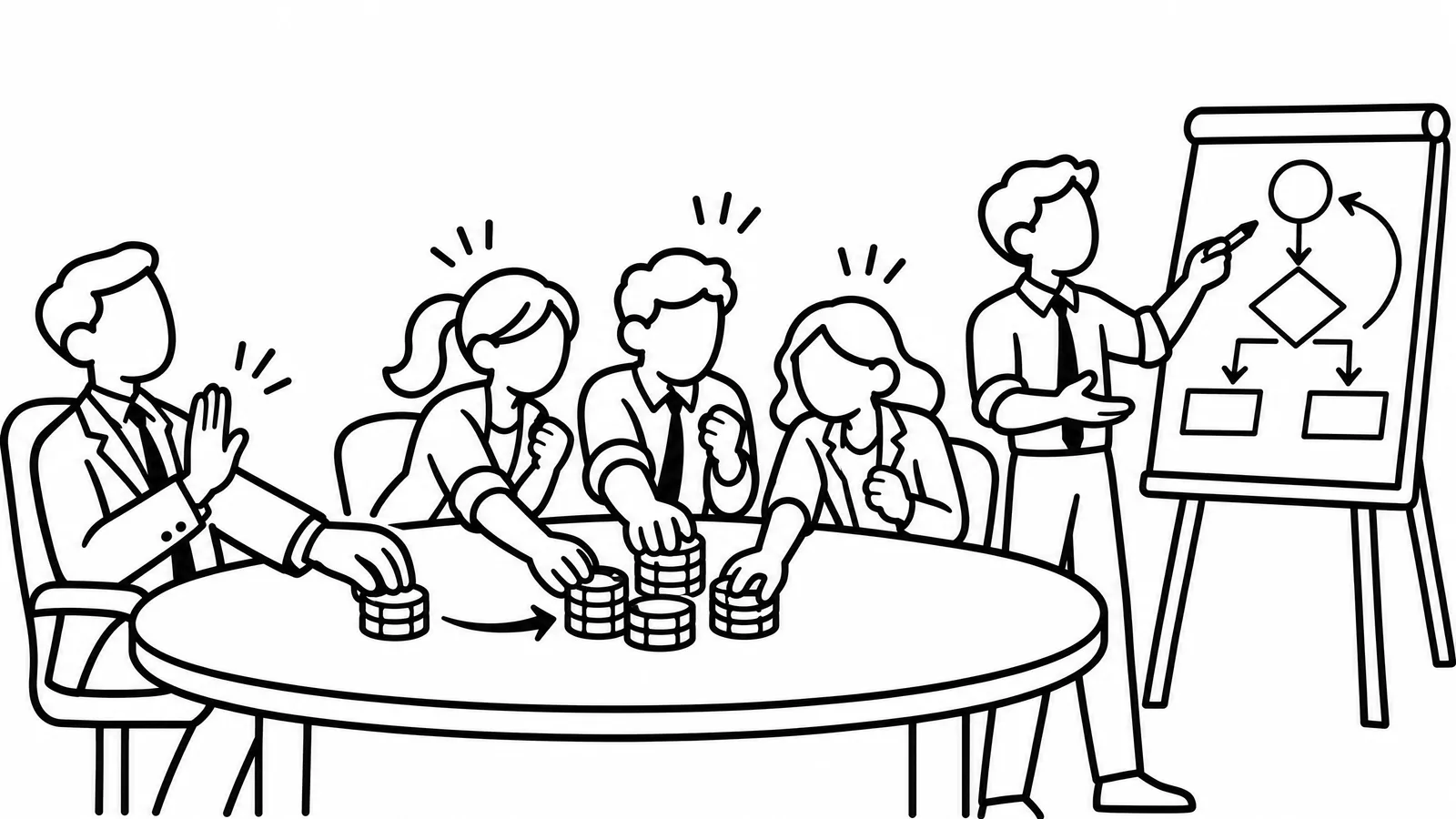
- Play fewer chips. Give yourself a budget before a meeting, say three comments. Spend them only where they matter. (Fits Always On.)
- Give 51 percent of the vote. Put someone else in charge of a decision and tell them they hold the majority. You can share your view, but they decide. (Fits the Pacesetter.)
If you’re the Rescuer, the move is to give it back. When someone brings you a problem they own, ask what they’d do, then hand it back to them to finish.
What should a manager do on Monday?
In your next meeting, ask more questions than you answer, and hand one decision to someone else for good.
I’d run it like this:
- Before the meeting: pick one decision that sits with you today but belongs with someone on the team. Write down who should own it.
- In the meeting: count your questions and your statements. Aim for more questions. When someone asks what you think, ask what they think first.
- At the end: tell the person that the decision is theirs. Agree on what “done” looks like and when you’ll check in. Then stay out of it.
- A week later: ask the team how it felt. You’ll learn more from that conversation than from any book.
If you run EOS®, this fits your weekly leadership meeting. When you work through an issue, let the team discuss and debate it before you weigh in. If you speak first, you’ve already decided, and the debate turns into agreement with the boss.
Why does this matter more now?
Owners can buy tools cheaply; they can’t buy judgment. AI can now draft, summarize and analyze faster than any person. The companies that pull ahead will be the ones with people who think, decide and own outcomes. A Diminisher with great tools still gets half the team’s ability. A Multiplier gets nearly all of it.
I’ve written about why AI adoption is a management problem and how managers, not generations, make or break a team in It’s Not a Gen Z Problem. It’s a Manager Problem. Same idea, different angle: when a team underperforms, look at how it’s managed before you blame the tools or the people.
Watch Liz Wiseman and Greg McKeown explain it
Wiseman and McKeown walk through the research and the Multiplier habits in this talk.
Common questions
What is the main idea of Multipliers by Liz Wiseman? Some leaders amplify the intelligence and capability of the people around them, and others diminish it. In Wiseman’s research, Multipliers got nearly twice as much from their people as Diminishers.
Are most Diminishers bad managers? No. Wiseman’s point is that most diminishing is accidental. It comes from good intentions like helping, moving fast or sharing ideas, done in a way that leaves no room for others.
How do I know if I’m an accidental diminisher? Watch your meetings. If you talk most, answer first, and people bring you decisions they could make themselves, you’re probably diminishing. Wiseman’s site has a free accidental diminisher quiz.
What’s the fastest way to become a Multiplier? Ask more questions than you answer and hand real decisions to your people. Small, repeated changes in how you run meetings matter more than a big announcement.
Build a team of Multipliers
The companies with the most great managers win. If you want help building that kind of leadership team in Oregon, Southwest Washington or Seattle, that’s the work I do through executive coaching and EOS® implementation.
Sources
- Liz Wiseman with Greg McKeown, Multipliers: How the Best Leaders Make Everyone Smarter, revised and updated edition (2017).
- Liz Wiseman, “Can Managers Double Their Workforce for Free?”, American Management Association.
- The Wiseman Group, Accidental Diminisher quiz.
- Talks at Google, “How the Best Leaders Make Everyone Smarter”, Liz Wiseman and Greg McKeown.