· 5 min read
How to Clear a Bottleneck: Process, People, Then Technology
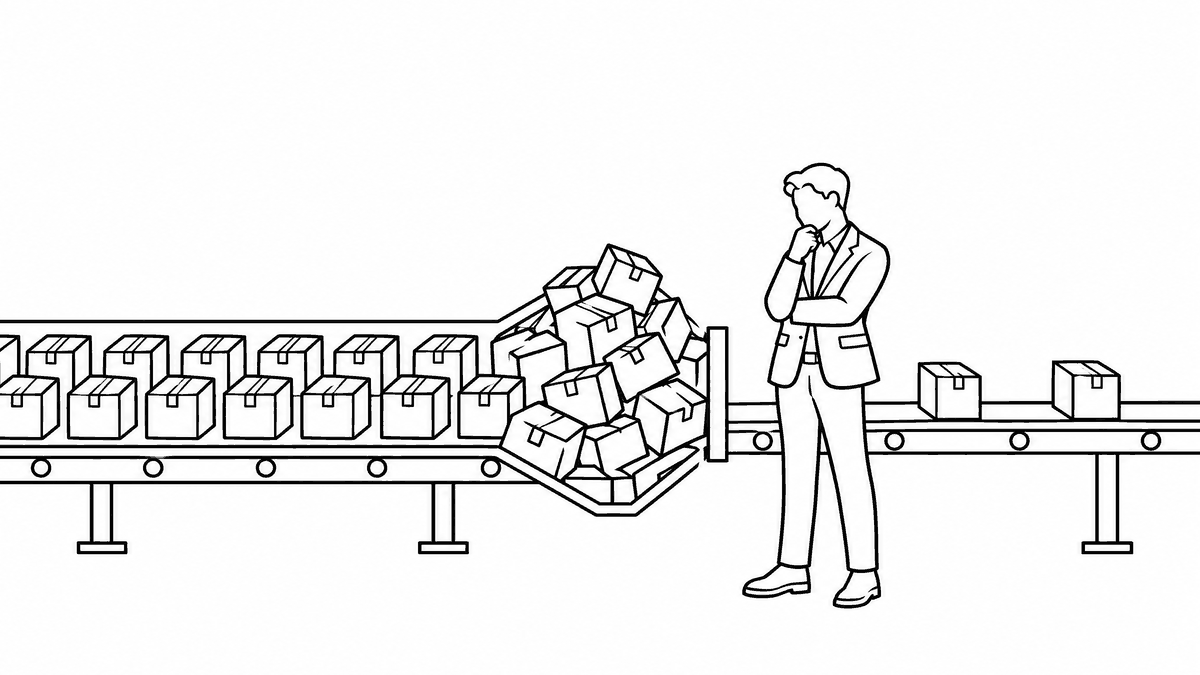
When a leadership team finds a bottleneck, the first instinct is to throw something at it. A new hire. A new software subscription. Overtime. I wrote about why more resources rarely solve the problem. The bigger issue is order. Most companies reach for technology first, and automating a messy process gets you a faster mess.
To clear a bottleneck, find the step where work piles up, then fix it in this order: simplify and document the process, train and measure the people who run it, then bring in technology and AI to take over what they can. Test the change, measure it, refine it, and go find the next bottleneck.
First, find the real bottleneck
Eliyahu Goldratt made this idea famous in The Goal, the book behind the Theory of Constraints. Your business moves only as fast as its slowest step. Speeding up any other step just builds a bigger pile in front of the slow one.
So look for where work waits. Quotes sitting in someone’s inbox for approval. Jobs stacked up behind the one estimator who knows how to price them. Invoices that can’t go out until the owner reviews them. In owner-led companies, the bottleneck is often the owner.
Measure it before you fix it. Count how many items are waiting at the step and how long each one waits. That number becomes your baseline, and it tells you whether anything you do next helps.
Step 1: Simplify the process and write it down
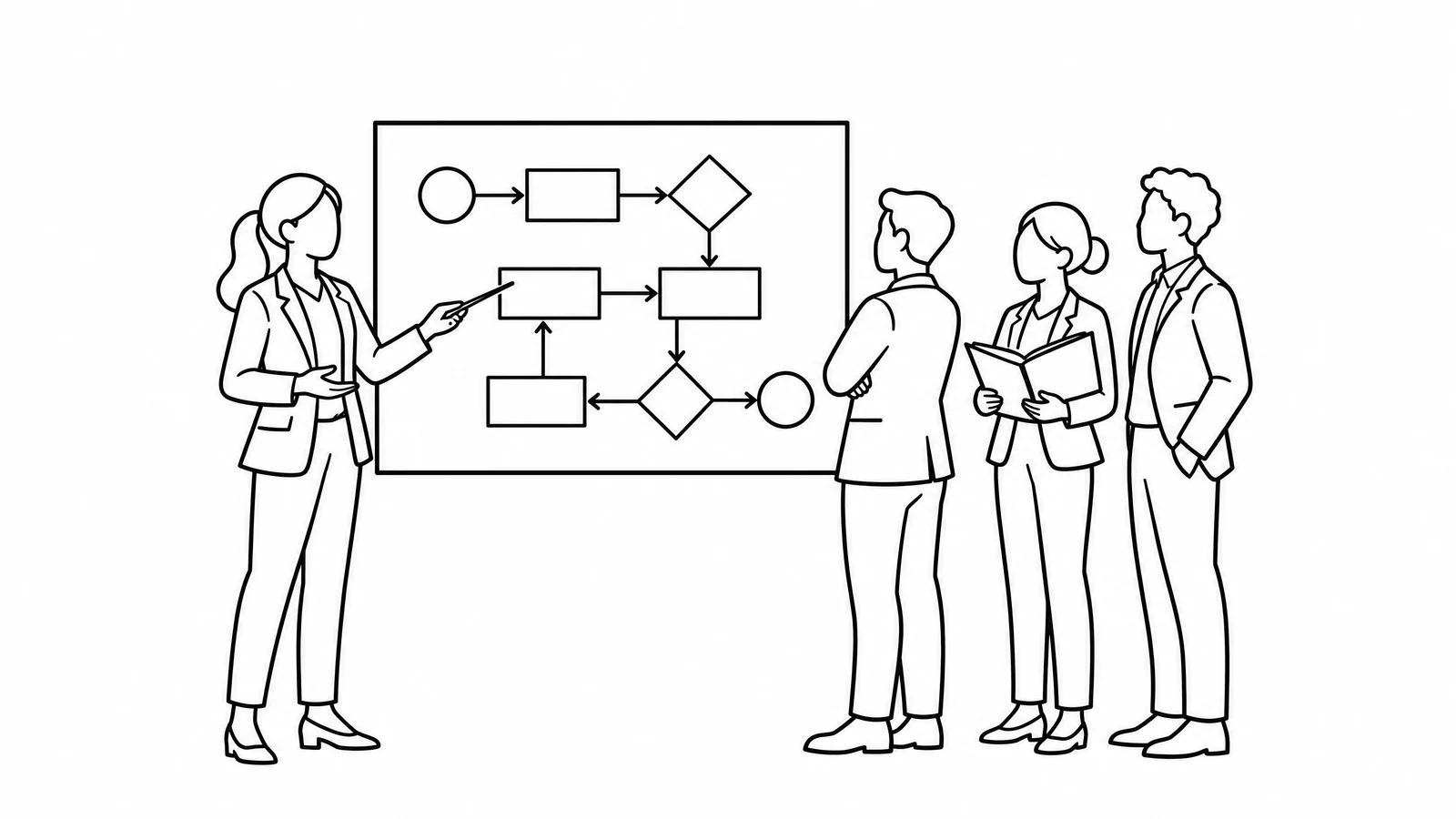
Walk the process with the people who run it, start to finish. Write down every step, every handoff and every approval. Then cut. Most bottlenecks carry steps that made sense three years ago: a second sign-off nobody remembers adding, a report that gets rebuilt by hand every week, a handoff between two people who could be one.
Once it’s simpler, document it. EOS® has a tool for this called the Three-Step Process Documenter. You identify your core processes, document the 20 percent of steps that produce 80 percent of the results, and package the documents so people can find them. A page or two per process is plenty. You’re writing a checklist people will use, not a manual they’ll ignore.
This step comes first for a practical reason. You can’t train people to a process nobody wrote down, and you can’t automate a process your team doesn’t agree on.
Step 2: Train the people and measure the work
A documented process does nothing until people follow it. EOS calls this getting the process Followed By All. Walk each person through the document. Watch them run it. Correct what they miss, then check again a week later. I covered why teams drift from the process, and how to bring them back, in Why Your Team Isn’t Following the Process.
Then measure. Put one or two numbers for the bottleneck on your Scorecard, the handful of weekly numbers your leadership team reviews. Good choices are items waiting at the step, average time through it, and how often work comes back for rework. Give the process one owner on your Accountability Chart, so one name answers for those numbers every week.
The numbers do a second job. When the step still runs slow after training, they help you see whether you have a process problem or a people problem. If everyone running the process misses the target, fix the process. If one person misses it while others hit it, have the conversation about whether that person is in the right seat.
Step 3: Bring in technology, starting with AI
Now that the process is simple, written down and measured, technology has something solid to work with. AI helps here in two ways.
Ask AI to research the tools. Paste your documented process into ChatGPT or Claude and ask what software exists for each step, what it connects to and what it costs. Ask what the software you already pay for can do, because many companies own a CRM or accounting system with features nobody has turned on. Treat the answer as a research starting point, then confirm the details with the vendors.
Ask AI which steps it can run itself. Many bottleneck steps are information work: drafting a quote from a template, summarizing an intake form, chasing a missing document, reconciling two lists. An AI agent can take steps like these once you’ve defined them. Tools like Claude Cowork, Anthropic’s desktop agent, can work through the files in a folder you choose, complete multi-step tasks and run them on a schedule. Keep a person reviewing the output, at least at first. The four questions in Delegate and Elevate: How to Decide What to Hand to AI will tell you which steps qualify.
The order matters here too. Technology magnifies whatever process you give it. A clean process gets faster. A broken one breaks faster.
Then test, measure, refine and repeat
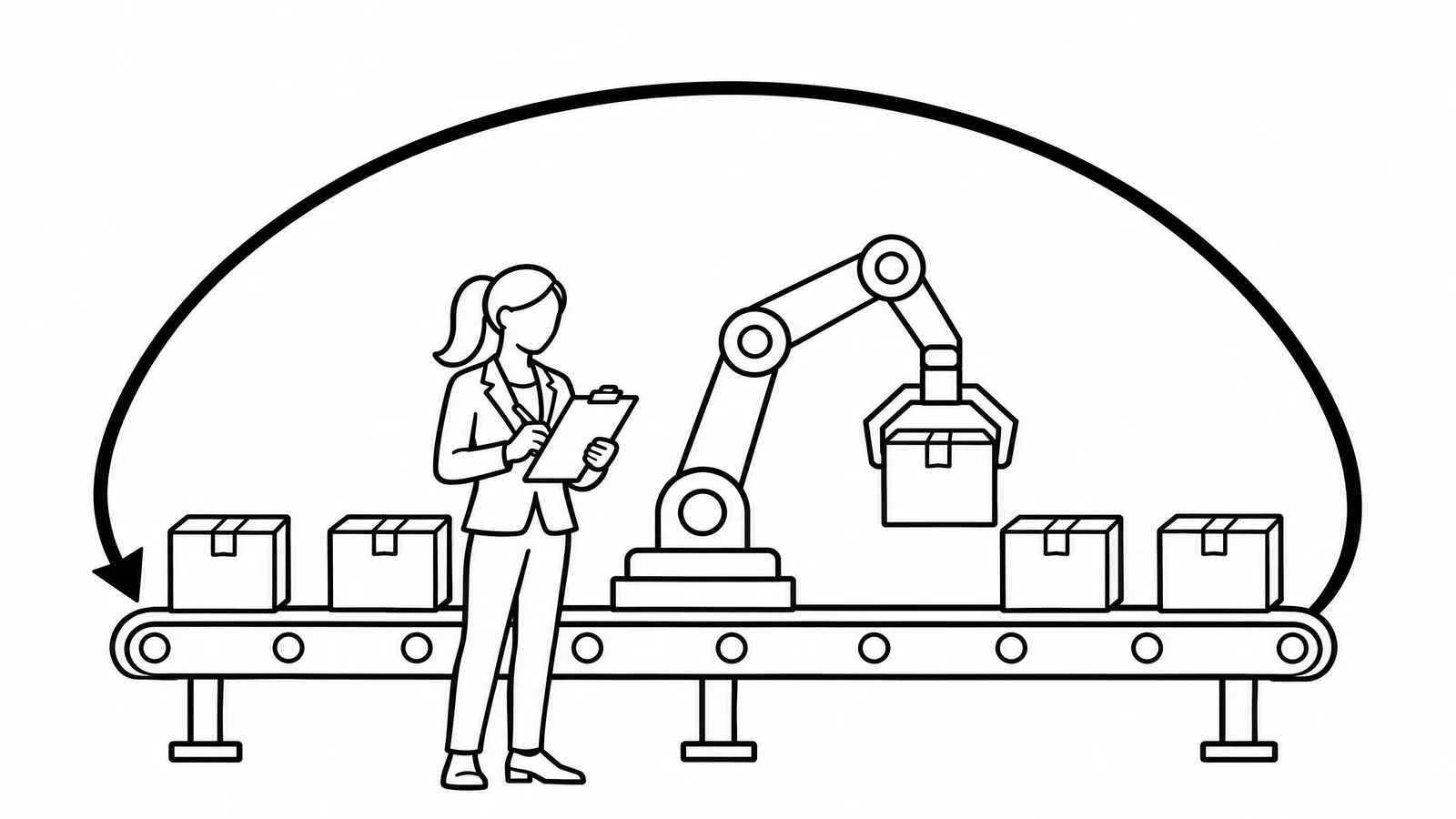
Don’t switch everything over at once. Run the new version on real work for two weeks and watch the Scorecard numbers against your baseline. Fix what breaks. Update the process document every time the process changes, or the document goes stale and people stop trusting it. Once a step runs well, look for the next piece to automate.
Then expect the bottleneck to move. Goldratt’s point was that once you clear one constraint, another step becomes the slowest. That’s progress, not failure. Go back to the top and find it.
Three mistakes that keep bottlenecks stuck
- Starting with software. A new tool on top of an undocumented process adds a login and changes nothing else.
- Documenting without training. A process document nobody was trained on is a file, not a process.
- Measuring people before the process. If the process is broken, the person running it will miss the number no matter how good they are.
Clear one this quarter
Pick the one bottleneck that costs you the most, and make clearing it a Rock, one of your leadership team’s 90-day priorities. Process first, people second, technology third. By the end of the quarter you’ll have one fewer pile on your desk and a method you can run on the next one.
If you want help finding and clearing bottlenecks with your leadership team in Oregon, Southwest Washington or Seattle, that’s the work I do through EOS® implementation and AI integration.