· 6 min read
AI Adoption Is a Management Problem

Most leadership teams I work with across Oregon, Southwest Washington and Seattle ran some version of the same play this year. They bought the licenses, held a lunch-and-learn, and told the team to start using AI. Ninety days later, a handful of people use it every day, most tried it twice, and the leadership team is debating whether they picked the wrong tool.
In almost every case I’ve seen, the tool works fine. AI adoption stalls because using an AI agent well takes management skills, and most of the people asked to use one were never taught to manage anything.
An AI agent is a tool like ChatGPT, Claude or Microsoft Copilot that takes an assignment and hands back work: a draft, a summary, research, an analysis. When you give someone an agent, you change their job. Yesterday they did the work. Today they assign the work, check it, and decide whether it’s good enough to ship. That’s a manager’s job description. Leadership teams have asked their individual contributors to take on direct reports overnight, without a title, a training plan, or a definition of success.
Using an AI agent is a manager’s job
Think about what we expect from a first-time manager. They need to give clear instructions when they hand off a task. They need to define what done looks like. They need to review the work, catch the errors, and give feedback specific enough that the next attempt improves. And they need to own the result, even when someone else did the work.
Now list what an agent needs from the person using it. You’ll write the same list.
Your best individual contributors got where they are by doing the work themselves, faster and better than anyone around them. Nobody asked them to delegate. Many of them have never written a clear assignment for another person, never reviewed a draft against a written standard, and never given feedback that changed someone’s behavior. You’d never give one of those people a team of five on Monday and expect results by Friday. With AI, that’s what happened.
Why employees give up on AI after one bad result
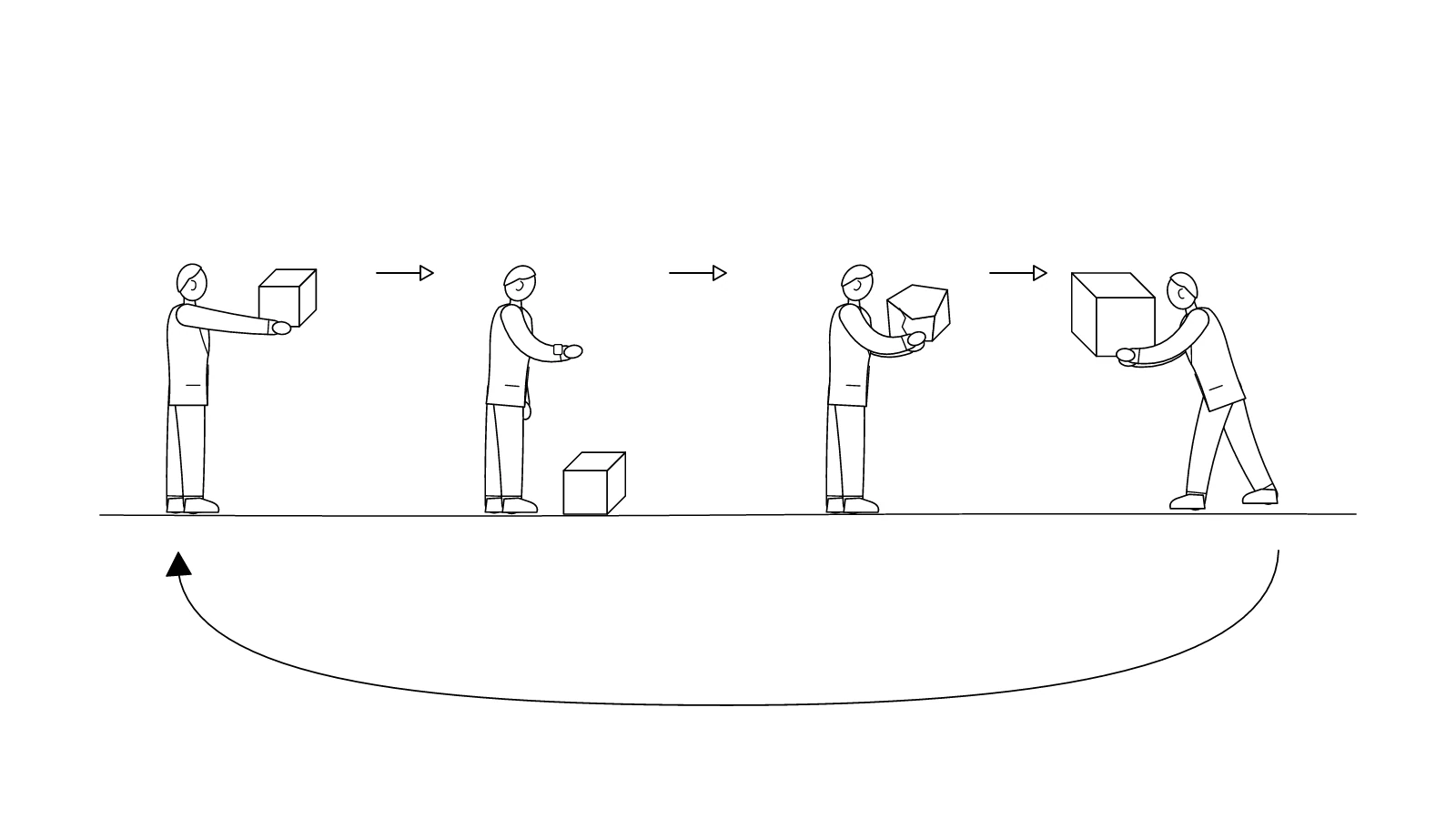
Every new manager hits the same wall. They delegate a task with a vague instruction, get back something mediocre, and decide it’s faster to do it themselves. They take the work back. The team never develops, and the manager burns out.
Watch your team with AI and you’ll see the same loop. Someone types a one-line request, gets a generic answer, and concludes AI “doesn’t work for what I do.” They go back to doing it by hand. Leadership reads that as resistance, or as a gap in software training. I read it as a delegation gap, the oldest management problem there is. It’s the same gap I see when companies blame early-career hires for problems their managers created.
The fix is the one we already use with new managers: teach the skills, set the expectations, and hold people accountable for using them.
Three management skills an AI agent demands

Clear expectations. An agent can’t read your mind any more than a new hire can. “Write a follow-up email” gets you a generic email. “Write a three-sentence follow-up to a client who missed our quarterly review, reference the pricing change we discussed, and ask for two times next week” gets you something you can send. The person who writes the second instruction is practicing a management skill: defining done before the work starts.
Accountability for the output. “The AI got it wrong” is the new “my team dropped the ball,” and it works about as well as an excuse. When you delegate, you still own the result. Agents produce confident, polished work that is sometimes wrong. The person managing the agent has to inspect what they expect: know the standard well enough to spot a miss, check the numbers, and catch the invented statistic before it reaches a customer.
Meaningful feedback. “Make it better” gives a person nothing to act on, and an agent gets even less from it. Good feedback names the gap: too long, wrong audience, skipped the timeline objection, uses jargon the client won’t recognize. The people who get the most from AI give feedback the way great managers do, specific and tied to behavior. Then they turn repeated corrections into standing instructions so they never give the same note twice. That’s the agent version of documenting a process.
Leadership’s AI mandate needs the same clarity
Most AI mandates would fail the test we apply to a Rock, the 90-day priority each leader owns under EOS® (the Entrepreneurial Operating System). “Use AI more” has no owner, no measurable, and no definition of done. If a leadership team member brought that to quarterly planning, you’d send it back. I laid out a one-page way to scope an AI initiative, with an owner, a target and a rule for when to stop, in The AI Leadership Gap.
You can’t ask your people to give an agent clear expectations while you give them none. The expectation gap that frustrates an employee managing an agent shows up one level higher when leadership manages the rollout.
How to build AI management skills on your team
Name the job change. Tell your team they’re managers now, and that managing an agent is a skill you expect them to build. People get better at what they know you’re watching.
Define done for two or three workflows per seat. Start with the Accountability Chart, the EOS map of every seat and what it owns. For each seat, pick recurring work an agent could draft, research, or summarize. Write the expectation the way you’d write it for a new hire: what good looks like, what to avoid, who the audience is.
Teach the review. Give people a short checklist for inspecting agent output. Did I verify the facts? Does it sound like us? Would I sign my name to it?
Teach the feedback loop. Show people how to give an agent specific corrections and how to save the ones that repeat as standing instructions. Pair your strongest AI users with your newest ones for thirty minutes a week.
Put it on the Scorecard. The Scorecard is the handful of weekly numbers your leadership team reviews. Add one measurable that matters to the business, such as hours returned per week, proposal turnaround time, or how often the first draft ships with light edits. Then make one AI workflow a Rock for each leadership team member this quarter.
Go first. Narrate your own use. Show your team a request that failed, the feedback you gave, and the version you shipped. They’ll copy what they watch you do, the same way they copy how you protect your calendar.
What the teams getting value from AI do differently
The companies getting real value from AI have access to the same tools as everyone else. They spotted a management problem and treated it like one. They set expectations, built the skills, and held people accountable for the output. That’s the work I do with leadership teams through AI integration and EOS® implementation.
Your people can manage an agent. Most of them have never been taught to manage anything. Teach that first, and the adoption numbers will follow.