
Why Your Team Isn't Following the Process: How to Use Social Proof and Authority to Build Real Traction

Most business owners treat process like a math problem: if we document Step A through Step Z, the team should execute. Yet, weeks later, the "standard operating procedure" is gathering digital dust while the team reverts to their old, idiosyncratic ways. This isn't a failure of documentation; it’s a failure of influence.
The "Process Component" of the EOS® (Entrepreneurial Operating System) is often the hardest to nail because it requires a shift in human behavior. To bridge the gap between "documented" and "followed by all," we must look beyond the checklist and into the psychology of persuasion. Specifically, we need to leverage two of Robert Cialdini’s powerhouse principles from his seminal work, Influence: Authority and Social Proof.
When these psychological triggers are baked into your company's "Traction" and "Healthy" components, following the process stops being a chore and starts becoming the path of least resistance.
The Authority Principle: Why the Accountability Chart is Your Most Powerful Tool
Cialdini’s research is clear: people have a deep-seated sense of duty to authority. We are trained from birth that obedience to proper authority is right and disobedience is wrong. In a business context, however, authority is often muddied by "boss-ism" or micromanagement.
The threat here is twofold: if authority is too aggressive, it breeds resentment; if it’s too vague, it breeds chaos. This is where the Accountability Chart serves as the ultimate psychological lever.
Unlike a traditional organizational chart that shows who reports to whom, the Accountability Chart defines who is responsible for what. It establishes legitimate authority by clarifying the "Seat." When a team member understands their seat: and more importantly, the seats of those around them: they recognize the inherent authority of the process itself.
Authority Without Micromanagement
When a leader has to constantly remind a team member to follow a process, they are burning leadership equity. By using the Accountability Chart, the authority shifts from the "person" to the "role."
The GWC Filter: To have true authority, a person must Get it, Want it, and have the Capacity to do it. If any of these are missing, the authority of that seat is compromised, and the process will inevitably break down.
The Process as the Standard: When the Accountability Chart is clear, the "Authority" isn't the Visionary barking orders; it’s the documented way of doing business that everyone agreed to.
Establishing this structure is the first step in ensuring your team doesn't just "hear" the process, but actually respects it. For more on how these roles interact, you might find our analysis of the Visionary vs. Integrator dynamic helpful in defining where authority truly lies.
Social Proof: The "Level 10" Accountability Engine
If Authority is the "top-down" pressure to follow the process, Social Proof is the "side-to-side" momentum that makes it stick. Cialdini defines Social Proof as the tendency to view a behavior as more correct in a given situation to the degree that we see others performing it.
In a business, if the "top performers" are cutting corners, the rest of the team will follow suit. This is "negative social proof." To reverse this, we use the Level 10 Meeting™.
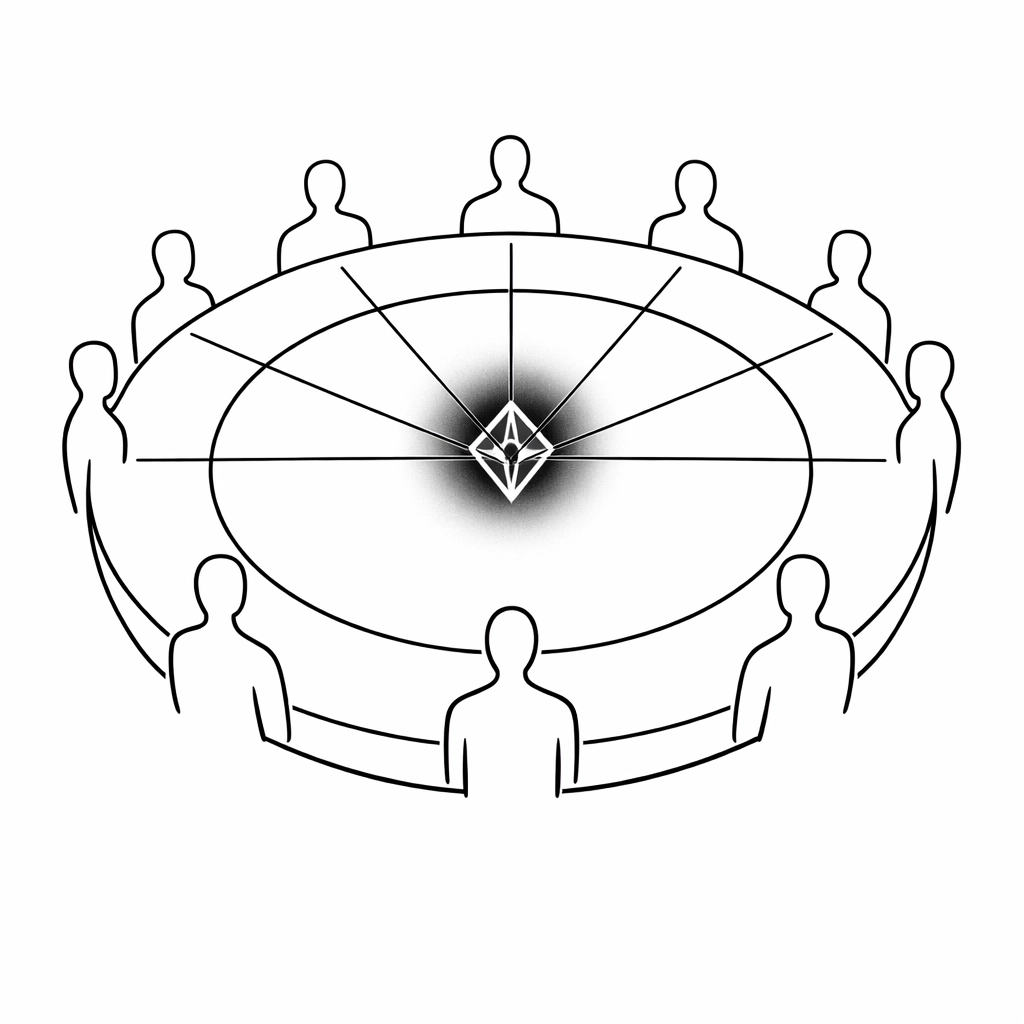
The Level 10 Meeting is a masterclass in social proof. When a leadership team: or any departmental team: gathers weekly to report on their numbers and their Rocks, they are creating a visible field of social validation.
Peer Pressure vs. Peer Support
The "Reporting" section of a Level 10 Meeting is where social proof goes to work. When the scorecard is reviewed:
The Green Wave: If five out of six team members are "on track" with their measurables, the sixth person feels an intense psychological drive to get back to green. They don’t need a lecture from the boss; they need to align with the social norm of the group.
The "Rock" Momentum: Rocks are the 90-day priorities that move the needle. When the team sees their peers hitting their Rocks consistently, it creates a "contagion of success." Following the process to achieve those Rocks becomes the only way to remain a respected member of the "Healthy" team.
This collective accountability is what distinguishes a high-performing team from a group of individuals. It’s about building a flywheel of leadership where the social expectation of the group does the heavy lifting of management for you.
Connecting Cialdini to the "Healthy" Component
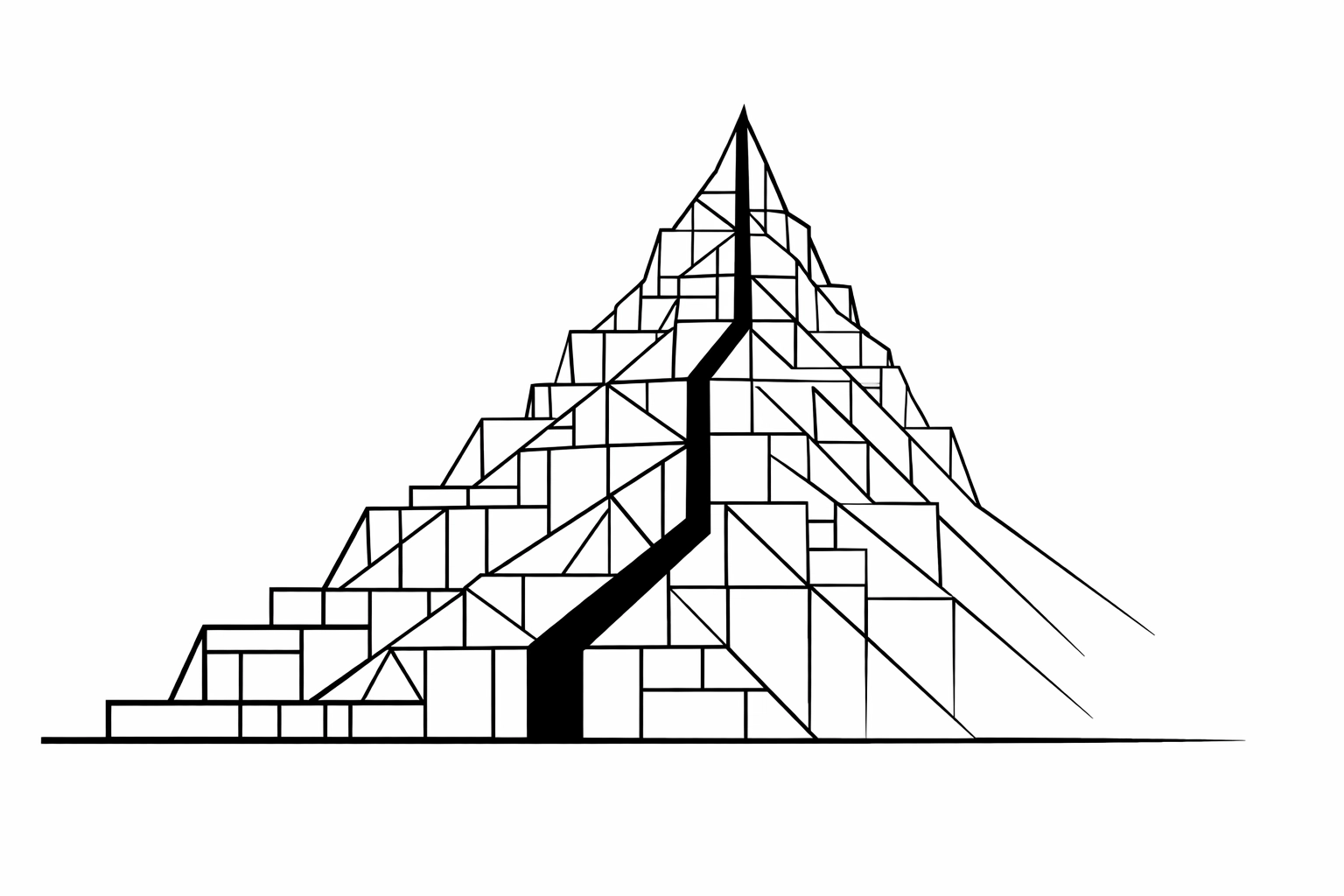
A team that follows the process is a "Traction" team, but a team that believes in the process is a "Healthy" team. Cialdini’s principles don't just force compliance; they build trust.
When you use the Accountability Chart (Authority) and the Level 10 Meeting (Social Proof), you are removing the "hidden agendas" and "political maneuvering" that plague most small-to-mid-sized businesses.
Social Proof eliminates the "Special Treatment" trap: When the process applies to everyone: visible in the Scorecard and Rocks: there is no room for the "superstar" who thinks they are above the rules.
Authority eliminates the "Who’s in Charge?" friction: By clearly defining roles, you remove the cognitive load of decision-making. People follow the process because the authority behind it is logical and transparent, not arbitrary.
This transparency is a core tenet of Open Book Leadership, where the "why" behind the numbers is just as important as the numbers themselves.
Why "Winging It" is a Psychological Trap
Business owners often pride themselves on their ability to pivot and "wing it." However, this creates a vacuum of both Authority and Social Proof. If the leader doesn't respect the process, the team receives a clear signal: The process doesn't matter.
To break this cycle, you must treat your leadership habits as the primary driver of organizational change. If you find your team is constantly firefighting instead of following the system, you likely have a habit loop problem that needs to be addressed before the process will ever take root.
Actionable Steps: Turning Psychology into Traction
If you want your team to finally follow the process "by all," stop writing more manuals and start looking at your influence triggers.
Audit Your Accountability Chart: Does every seat have 5 clear roles? Does everyone in the company know who has the "Authority" for specific processes? If it's blurry, fix it.
Radical Transparency in the L10: Ensure your Scorecard and Rocks are visible and updated before the meeting. The social proof only works if the data is real and everyone can see it.
Celebrate Process Wins: Use the "Social Proof" of success stories. When a team member follows the process and achieves a result, highlight it in the "People Headlines" section of your meeting.
Check Your Own Compliance: As the ultimate authority figure, your adherence to the process is the strongest social proof the company has. If you skip the Level 10 or ignore the Scorecard, you are giving everyone permission to do the same.
The Path to a Self-Sustaining Business
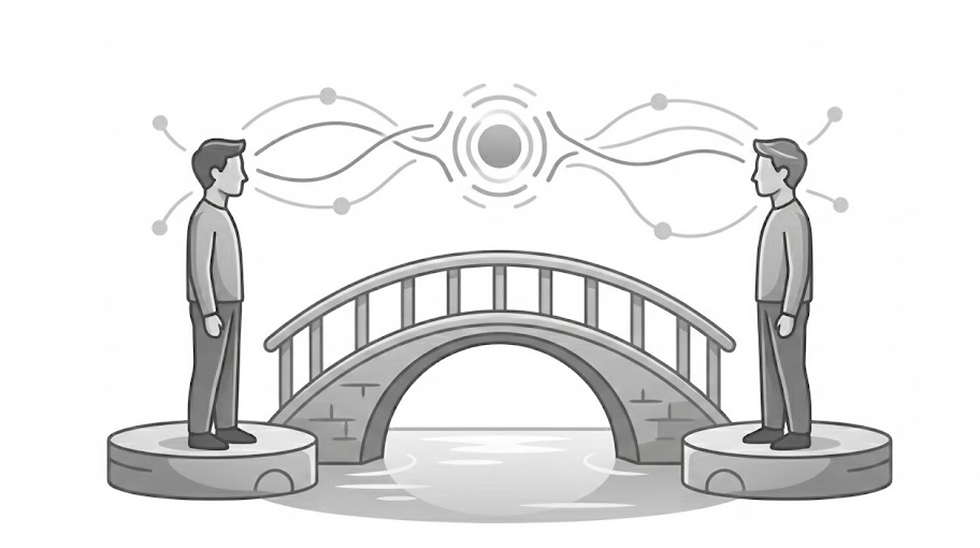
Building a business that runs itself: a business with real value: requires a team that executes the "documented way" every single time. By leveraging Cialdini’s principles of Authority and Social Proof within the EOS framework, you aren't just managing people; you are architecting an environment where excellence is the only logical choice.
When the team sees that the leadership respects the Authority of the structure and the peers provide the Social Proof of success, "Traction" becomes inevitable. It's time to stop winging your strategy and start using the psychological tools that drive real, lasting growth.
At Flagline Strategy, we help you navigate these cultural shifts. It’s not just about the tools; it’s about the people using them. Let's get your team following the process, so you can get back to leading the vision.


Comments