
Visionary vs. Integrator: Which Role Is Killing Your Growth (And How to Tell)?

Here's the uncomfortable truth most business leaders avoid: neither the Visionary nor the Integrator role inherently kills growth. The real culprit? The absence of proper balance between them.
When this dynamic breaks down: when one role is missing, underdeveloped, or when a single person attempts to fulfill both without the necessary discipline: organizations don't just slow down. They stall completely. Ideas proliferate without execution. Strategy disconnects from daily operations. Leadership teams spin in circles, unable to gain traction on what matters most.
The challenge is recognizing the dysfunction before it calcifies into organizational culture.
The Visionary-Integrator Dynamic: Why It Matters
The EOS framework identifies two essential leadership roles that drive company success. The Visionary generates ideas, builds relationships, and sets strategic direction. They're the ones thinking three years ahead, spotting market opportunities, and inspiring the team with possibility.
The Integrator, by contrast, translates vision into execution. They manage operations, ensure accountability, and coordinate the leadership team. They're the ones turning "what if" into "here's how," filtering ideas through the lens of practical implementation.
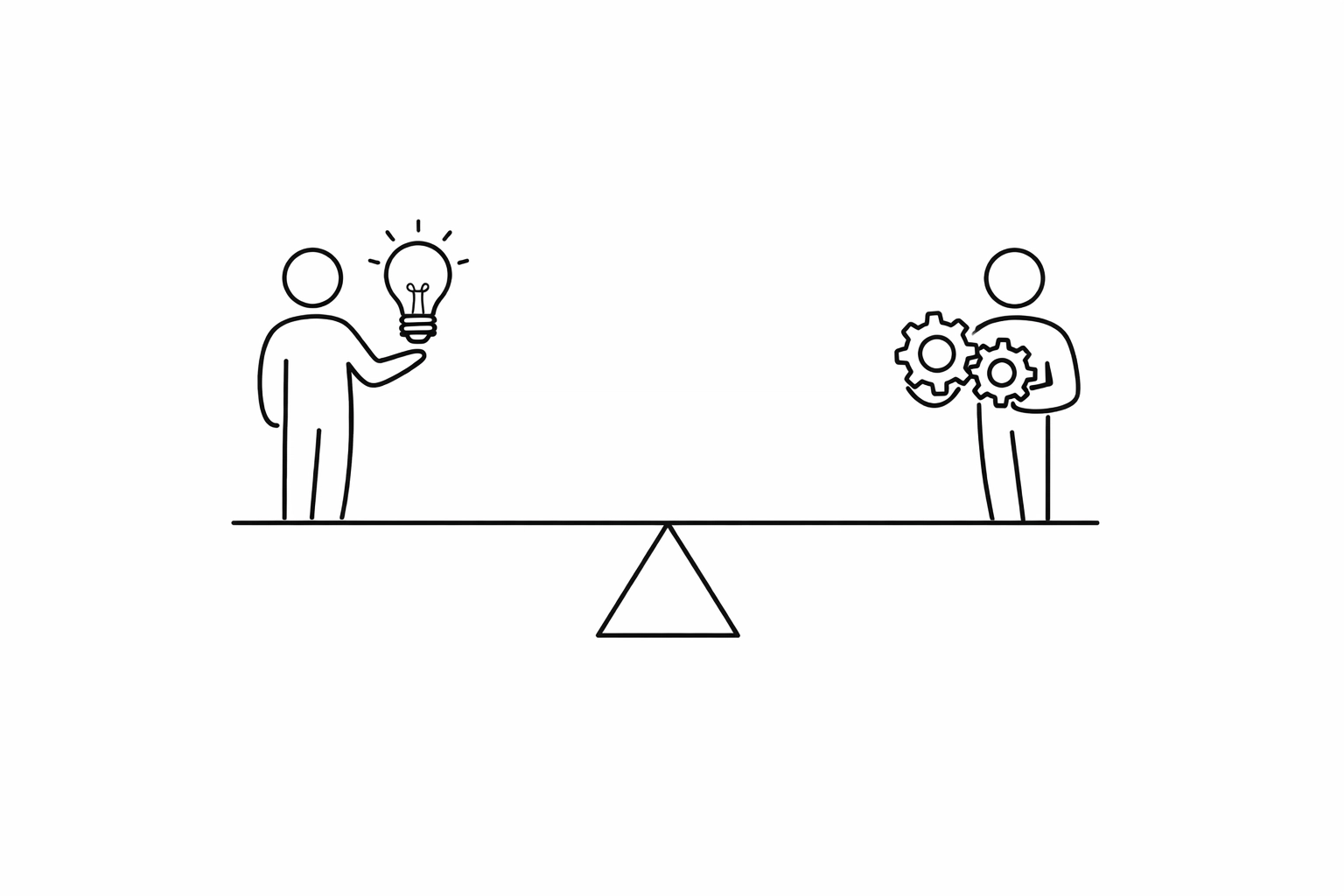
Patrick Lencioni's research on organizational health reinforces this division of labor. In The Advantage, he argues that clarity around roles and responsibilities is one of the six critical questions every leadership team must answer. When the Visionary and Integrator roles blur together or remain unfilled, that clarity evaporates: and with it, the team's ability to execute with precision.
The Most Common Growth Killer: The Solo Visionary
The most prevalent dysfunction isn't a bad Visionary or a weak Integrator. It's the CEO attempting to play both roles without the discipline to execute effectively.
This leader has the vision: the big ideas, the strategic insights, the market intuition. What they lack is the operational rigor to implement those ideas systematically. They become the bottleneck. Priorities shift weekly. New initiatives launch before old ones finish. The team receives conflicting directives. Accountability becomes subjective rather than objective.
Jim Collins describes this phenomenon in Good to Great through the concept of "undisciplined pursuit of more." Visionaries without Integrators create organizations that chase every opportunity without the infrastructure to capitalize on any of them. The result? Constant motion without meaningful progress.
The psychological toll on the team compounds over time. Research from the NeuroLeadership Institute shows that chronic ambiguity about priorities triggers the brain's threat response, reducing cognitive function and increasing workplace stress. When team members can't predict what the CEO will prioritize next, they operate in perpetual reactive mode: exhausting themselves without moving the business forward.
Diagnosing the Problem: Five Warning Signs
Your Visionary-Integrator dynamic is broken if:
1. Leadership meetings feel circular and produce little action. The same issues resurface week after week. Decisions get made but don't stick. The team leaves meetings without clear ownership or next steps. This signals a missing Integrator who can translate discussion into accountable action.
2. The company generates good ideas but struggles with execution. Strategy sessions produce excitement and energy, but implementation stalls. Projects launch with fanfare and die quietly months later. The gap between vision and reality widens continuously.
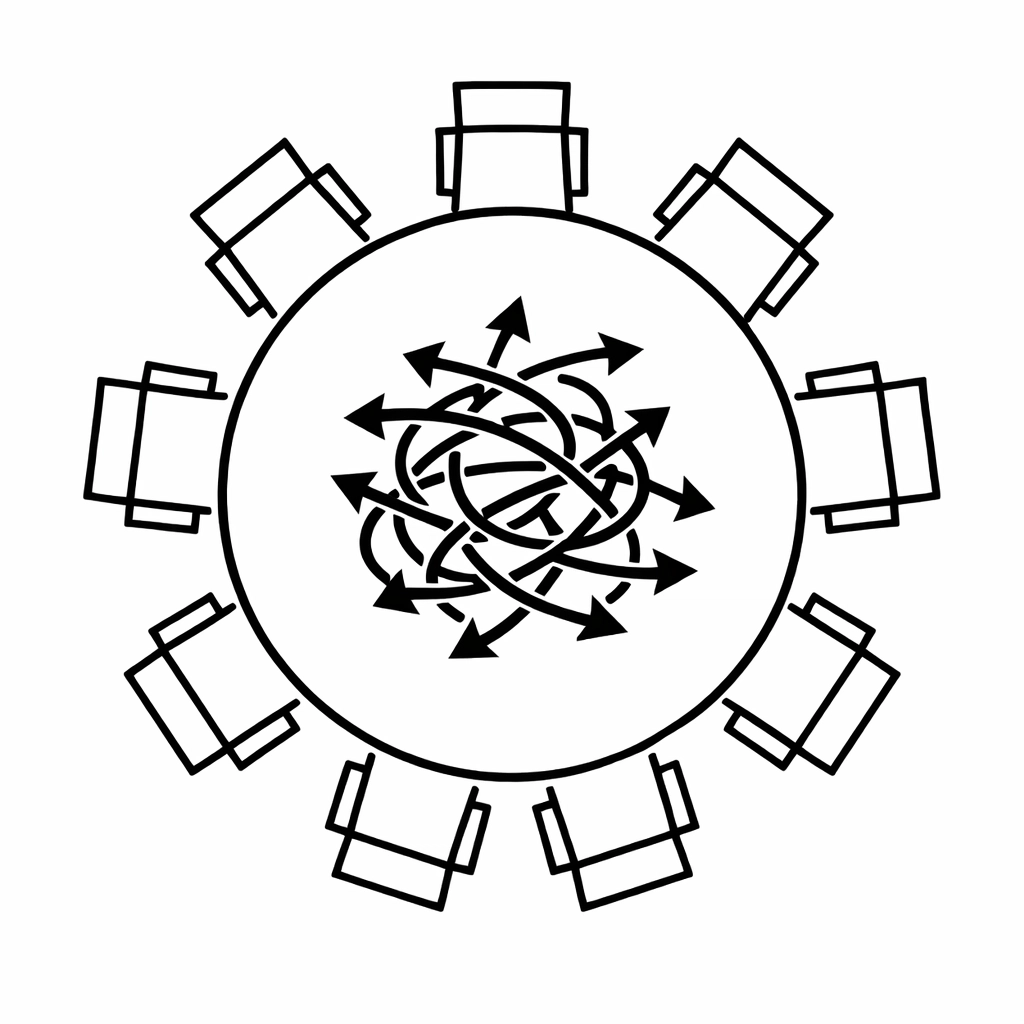
3. Constant disruption prevents follow-through. New ideas interrupt existing initiatives before they mature. The CEO pivots based on the last conversation they had or article they read. Teams start projects knowing they'll likely be abandoned before completion.
4. Accountability remains perpetually unclear. When problems arise, finger-pointing replaces problem-solving. Performance standards shift depending on who's asking. People aren't sure what they're actually responsible for versus what falls under someone else's domain.
5. Strategic alignment and daily operations disconnect. The leadership team can articulate the company's three-year vision, but they can't explain how this quarter's priorities advance that vision. Or conversely, they're executing tasks efficiently without understanding how those tasks contribute to long-term goals.
The Missing Integrator: When Ideas Can't Become Reality
Organizations operating without a strong Integrator experience a particular form of dysfunction. Visionary energy fills the room, but nothing coheres into executable plans.
The symptoms manifest across multiple dimensions:
Ideas remain conceptual rather than operational. The Visionary presents a compelling new direction, and the team nods enthusiastically: then returns to their desks with no concrete next steps. No one breaks the vision into projects, assigns ownership, or establishes metrics for success.
Systems and processes stay underdeveloped. The company grows through individual heroics rather than repeatable methods. When key people leave, their knowledge leaves with them. Onboarding new team members becomes an exercise in tribal knowledge transfer rather than systematic training.
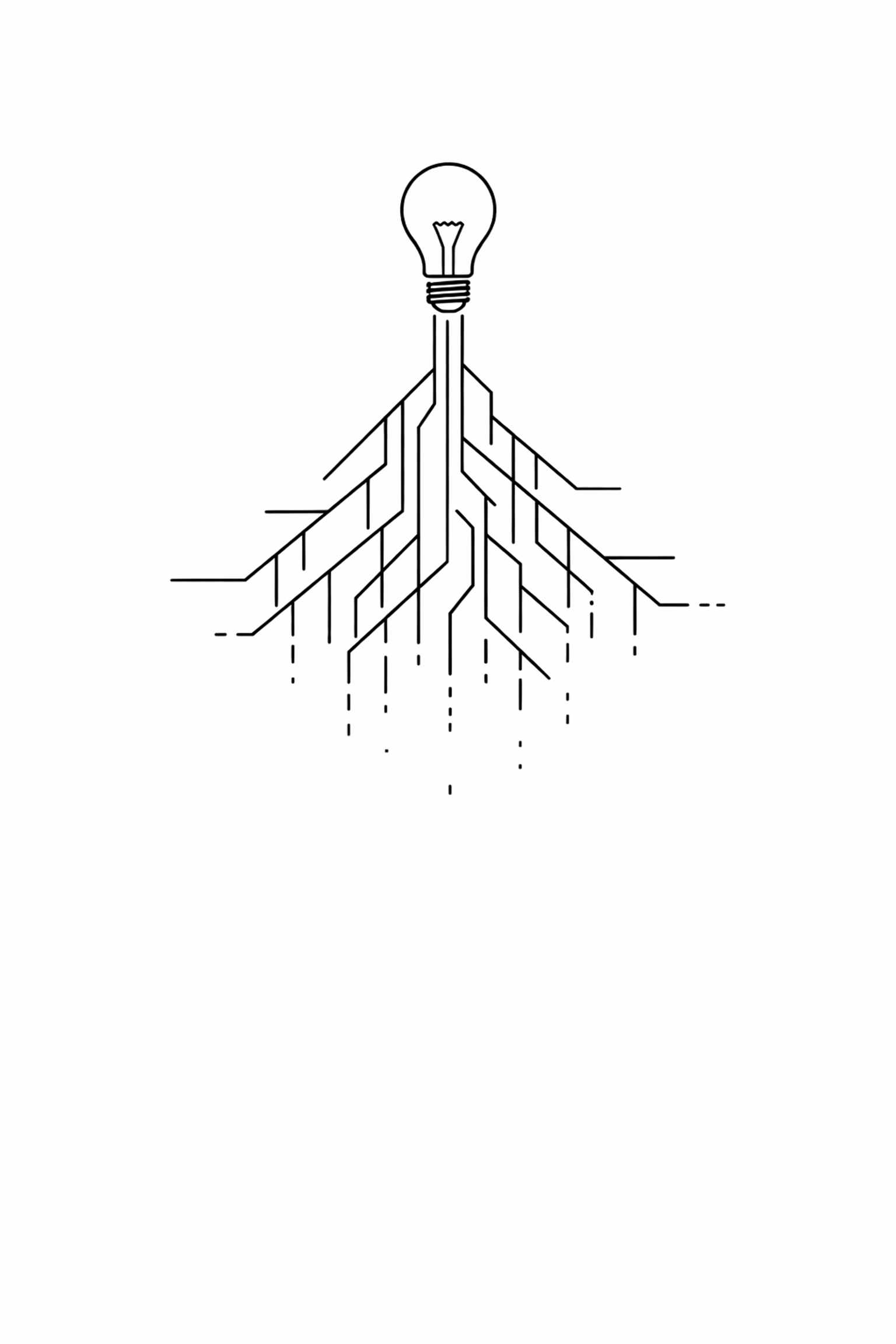
Team conflicts go unresolved. Without someone managing the leadership team's dynamics, personality clashes and competing agendas simmer beneath the surface. The Visionary, focused on external opportunities and big-picture strategy, doesn't address interpersonal friction until it erupts into crisis.
Gino Wickman, creator of EOS, frames this succinctly: most entrepreneurs are Visionaries by nature. They start companies because they see opportunities others miss. But scaling requires different skills: the operational excellence, systematic thinking, and disciplined execution that Integrators provide. The companies that break through growth ceilings recognize this distinction and staff accordingly.
The Absent Visionary: When Execution Lacks Direction
Less common but equally damaging: organizations with strong operations but weak strategic leadership. These companies execute efficiently: but toward what end?
The Integrator keeps the trains running on time, but without a compelling vision, the organization optimizes for yesterday's market rather than tomorrow's opportunities. Teams feel busy but not inspired. Revenue may remain stable, but growth stagnates. Competitors who innovate more boldly gradually erode market position.
Marshall Goldsmith's insight applies here: "What got you here won't get you there." The operational discipline that built the company to its current size won't propel it to the next level without strategic vision that anticipates market shifts and identifies new opportunities.
The Path Forward: Alignment Through Structure
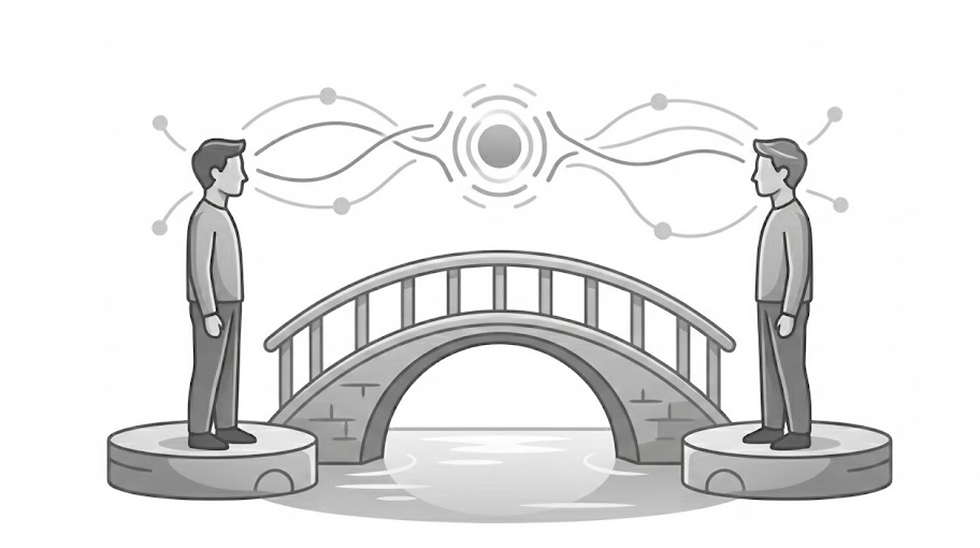
The solution isn't choosing between Visionary and Integrator. It's recognizing that both roles are essential and creating structures that keep them aligned.
For leaders currently playing both roles: acknowledge that attempting to fulfill both functions without intentional discipline creates organizational chaos. The question isn't whether you can envision strategy and manage operations. It's whether doing both serves the company's growth objectives better than bringing in dedicated talent for one role.
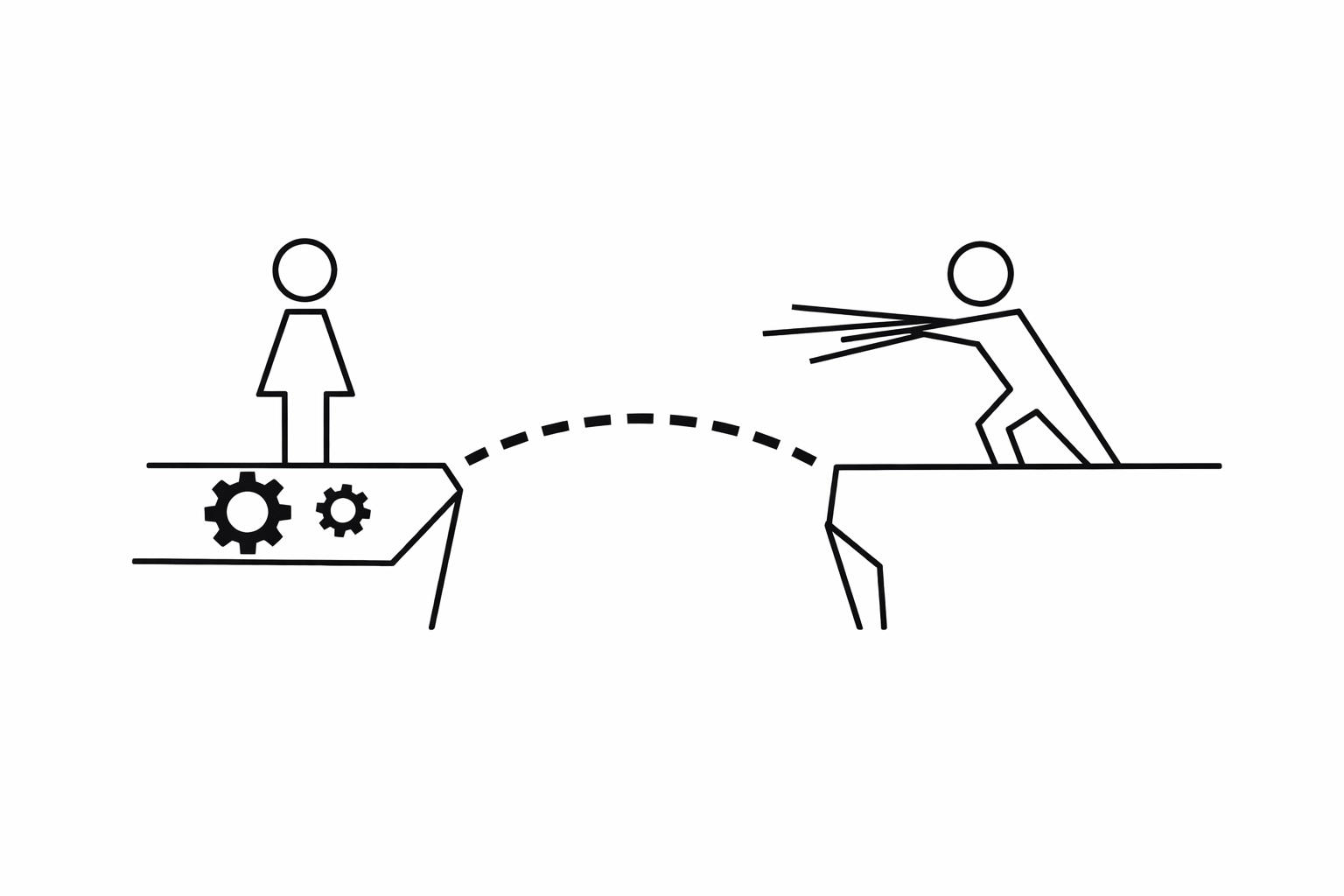
For organizations missing one role entirely: identify which gap causes the most immediate pain. If great ideas die in implementation, you need an Integrator. If execution feels aimless despite efficiency, you need stronger Visionary leadership.
For teams with both roles filled but misaligned: establish what EOS calls "Same Page Meetings": regular sessions where Visionary and Integrator synchronize on strategy, surface challenges early, and maintain organizational health. These aren't operational meetings. They're alignment conversations that prevent small disconnects from becoming major dysfunction.
The research is stark: companies with clear leadership structure and role definition grow faster and scale more successfully than those where roles remain ambiguous or consolidated. The Visionary-Integrator framework isn't organizational theory: it's practical architecture for sustainable growth.
Taking Action: Your Next Steps
Start by diagnosing honestly. Which scenario describes your organization?
Are you a CEO attempting both roles and becoming the bottleneck?
Is your company generating ideas without the operational rigor to execute them?
Do you have strong operations but lack compelling strategic direction?
Are your Visionary and Integrator misaligned, creating confusion across the organization?
The answer determines your path forward. But the first step is always the same: acknowledge that the current structure isn't supporting the growth you're capable of achieving.
Growth doesn't stall because leaders lack intelligence or ambition. It stalls because organizational structure doesn't match strategic requirements. The Visionary-Integrator dynamic, properly balanced and aligned, creates the foundation for companies to gain traction on their most important objectives.
If you're wrestling with these questions and need perspective on your specific situation, reach out directly at ryan@flaglinestrategy.com. Sometimes the clearest path forward emerges from a conversation with someone who's helped dozens of leadership teams navigate this exact challenge.


Comments