
The 3-Legged Stool: Why Your Business Exit Depends on More Than Just Money

For most entrepreneurs, the business isn't just a line item on a balance sheet: it’s an identity. It is the thing that gets them out of bed at 5:00 AM, the topic of every dinner conversation, and the primary vehicle for their family’s wealth. So, when it comes time to talk about "the exit," the focus usually stays laser-fixed on one single number: the purchase price.
But here is the cold, hard reality that Christopher Snider highlights in his seminal book, Walking to Destiny: 75 percent of business owners regret their exit just one year after the deal closes.
It isn't because they didn't get enough money. It’s because their exit was built on a wobbly foundation. Snider describes the transition process as a 3-Legged Stool. If any one of those legs is shorter than the others: or missing entirely: the whole thing collapses the moment you try to sit on it. I see this often in my practice: brilliant founders who have achieved incredible Traction in their companies but haven't spent a second thinking about the Vision for their own lives post-sale.
To exit successfully, you have to balance the Business, the Financial, and the Personal. If you don’t, you aren't exiting; you’re just colliding with a brick wall at 100 miles per hour.
I know that because I’ve lived it. When I exited my own business, what made the process smooth wasn’t luck or perfect timing. It was the fact that I had worked all three legs of the stool—Business, Personal, and Financial—before the transition was on me. EOS gave me the structure to build a business that could operate without my constant involvement, and the Walking to Destiny principles reinforced something just as important: a successful exit is never just about the deal. It’s about whether your business is transferable, your finances are truly ready, and your personal life has somewhere meaningful to go next.
That combination made all the difference for me. Without those three legs in place, the exit easily could have turned into a stressful, emotional mess—one of those situations where the numbers look good on paper but the owner feels disoriented, trapped, or full of regret afterward. Instead, because the business was stronger, the financial picture was clearer, and the personal side had real attention, the transition was successful in the ways that actually matter.
Leg 1: The Business Leg: Building Transferable Value
The first leg of the stool is the one most owners are familiar with: the business itself. However, there is a massive distinction between a "busy" business and a "valuable" business.
In the world of the entrepreneurial operating system, we talk about moving from a state of chaos to a state of order. From an exit perspective, this is about closing the Value Gap. This is the difference between what your business is worth today and what it could be worth if it weren't so dependent on you, the owner.
The threat here is twofold:
The Owner Trap: If you are the primary salesperson, the chief problem solver, and the only one who knows where the "bodies are buried," your business has very little transferable value. A buyer isn't buying a company; they’re buying a job.
Operational Chaos: Without documented processes and a leadership team that can run the business without your daily intervention, the risk for a buyer is too high. High risk equals a low multiple.
With EOS, we use the Vision Traction Organizer to help owners get clear on where the company is going and who is responsible for getting it there. By the time you are ready to exit, your business should be a "turnkey" asset. It should have a healthy culture, clear accountability, and a Scorecard that proves the company is hitting its numbers consistently. This is how you maximize the first leg of the stool.
Leg 2: The Financial Leg: Bridging the Wealth Gap
The second leg is your personal financial readiness. This is where things get technical: and where many owners make a catastrophic mistake. They assume that if they sell the business for $10 million, they are "set for life."
But have you calculated the Wealth Gap? This is the difference between your current net worth (excluding the business) and the amount of capital you actually need to sustain your desired lifestyle for the next 30 or 40 years.
The financial leg involves more than just a big check; it requires a sophisticated understanding of:
Taxes: Uncle Sam is going to want a significant cut of your exit. Depending on your corporate structure and state of residence, your "walk-away" number might be 30% to 40% lower than the gross sale price.
Estate Planning: How does this liquidity event impact your heirs? Without proactive planning, you might be handing a massive tax bill to your children.
Post-Exit Fees: Investment management fees, legal fees, and accounting costs will eat into your principal.
If you don't have a clear grasp of your personal financial needs, you might find yourself "rich" but unable to afford the lifestyle you envisioned. We often see owners reach the finish line only to realize they can't afford to sell. That is a heartbreaking realization to have during due diligence. You need to know your "Enough" number long before you sign an LOI.
Leg 3: The Personal Leg: The "Third Act" Plan
This is the shortest leg for almost every entrepreneur we coach. It is also the reason why so many owners sabotage their own deals at the eleventh hour.
For twenty years, you have been "The Boss." People laugh at your jokes, they follow your lead, and your identity is inextricably linked to the logo on your business card. When you sell the business, all of that disappears overnight.
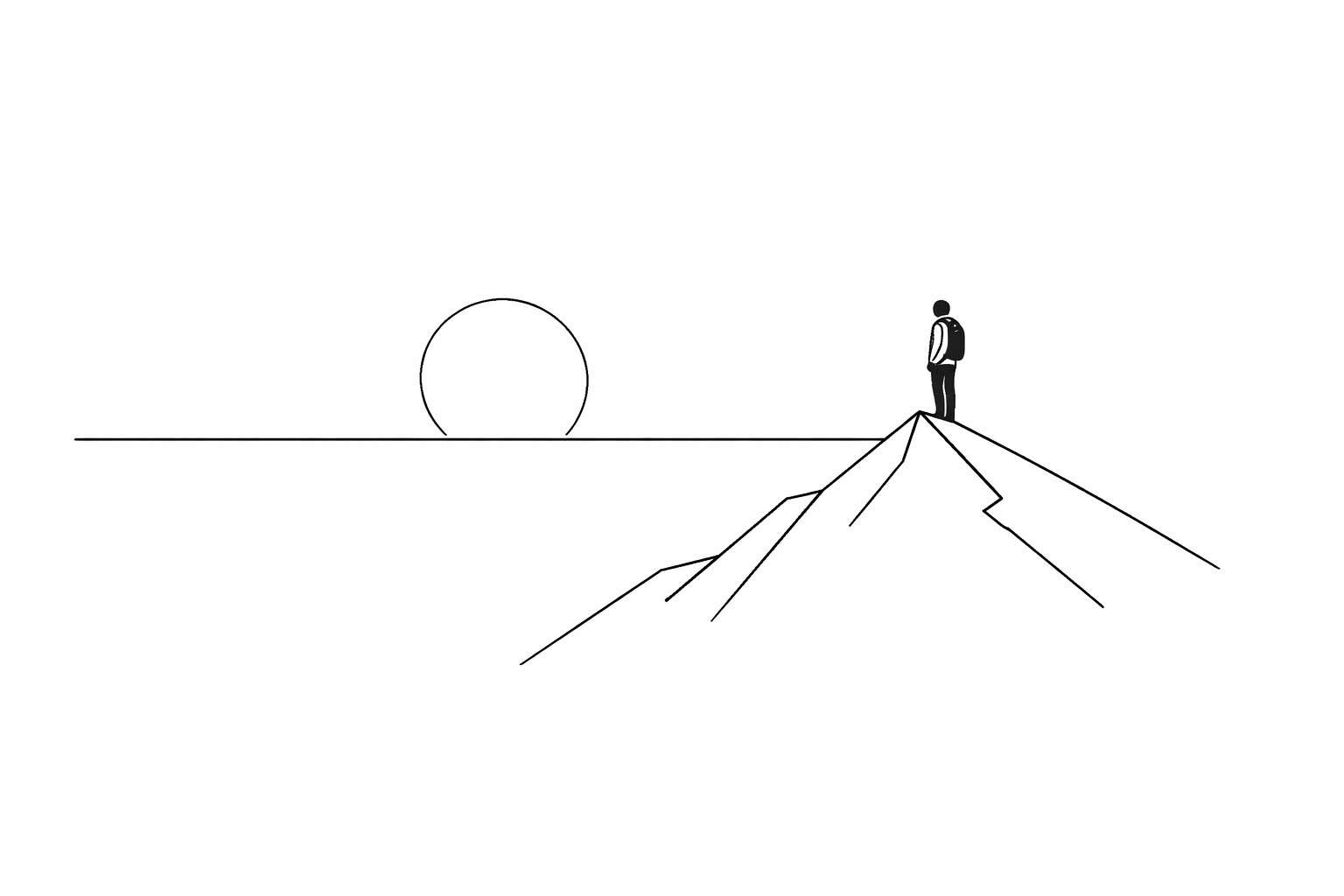
Without a Personal "What's Next?" Plan, you are heading toward a massive identity crisis. Snider argues that many business sales fall through because the owner gets "cold feet." In reality, it isn't cold feet about the money; it’s an existential dread of the vacuum that will be left behind.
A successful exit requires a vision for your "Third Act." This might include:
Philanthropy or board service.
Mentoring other entrepreneurs through business coaching.
New hobbies or travel goals that are more than just "taking a break."
Deepening relationships with family that may have been sidelined during the building years.
If your only plan is "I’ll play more golf," you will be miserable within six months. If you don't have a destination for your personal life, you’ll never feel comfortable leaving the driver’s seat of your company.
Why the Stool Wobbles: The Interconnectivity of All Three
The tragedy of the failed exit is that these three legs are totally interdependent. You cannot fix one without affecting the others.
From my perspective, this is the part owners underestimate most. During my own exit, I saw firsthand that when all three legs are aligned, the process feels fundamentally different. There is less panic in the decision-making, less second-guessing during the transition, and far less temptation to cling to the business out of fear. That is what EOS and Walking to Destiny helped me do: they created alignment between the company I was leaving, the financial reality of the deal, and the life I was moving toward.
Consider the "cascading dysfunction" that occurs when the stool is out of balance:
Business + Financial (but no Personal): You get a great price and you’re set for life, but you wake up the day after the sale with no purpose. This leads to the "75% regret" statistic. You might even find yourself trying to buy back into a similar business just to feel "relevant" again, often at a premium.
Business + Personal (but no Financial): You have a great post-exit plan and the business is running well, but the math doesn't work. You are forced to keep working or drastically downsize your lifestyle because you didn't account for taxes or inflation.
Financial + Personal (but no Business Value): You know what you want to do next and you know how much you need, but your business is a mess. You can't find a buyer, or the offers you get are insultingly low because the business is too dependent on you. You are trapped in a "Golden Cage."
The Flagline Strategy Approach: Getting What You Want
My mission is to help owners get what they want from their businesses. That means achieving Vision, Traction, and Healthy.
Vision: Knowing where you are going (Business) and what your life looks like on the other side (Personal).
Traction: Executing on the daily habits that build transferable value so the business can run without you.
Healthy: Ensuring the leadership team and your personal life are in a state of alignment and well-being.
Exiting a business is the most significant financial and emotional event of your life. It shouldn't be handled with a "wait and see" attitude. According to the Exit Planning Institute, you should ideally begin this balancing act three to five years before you actually want to leave.
Actionable Steps for the Next 90 Days
If you want to ensure your stool is sturdy, don't wait for a buyer to knock on your door. Start these three things this quarter:
Audit Your Time: Track how much of the business's daily operations rely on your "heroic" efforts. Use your next EOS leadership retreat to delegate those tasks to your leadership team.
Run the Numbers: Meet with a financial advisor specifically to discuss the "Wealth Gap." Don't ask what the business is worth; ask how much cash in hand you need to never work again.
Define Your "What's Next": Write down three things you would do with your time if you couldn't work in your business starting tomorrow. If you can't name three, you have a Personal Leg problem.
A business exit is a journey, not a transaction. By focusing on all three legs of the stool today, you ensure that when you finally decide to sit down and enjoy the fruits of your labor, the foundation holds firm.



thoitiethomnay.org mình mở ra là biết ngay đang nóng hay mát, khỏi phải đoán mò như xem mây ngoài cửa sổ. Trang hiện nhiệt độ hiện tại kèm “cảm giác như” nhìn phát hiểu liền, thêm mấy chỉ số cơ bản nên cũng đủ dùng cho người lười như mình. Mình hay chọn tỉnh thành để xem nhanh, bấm cái là nó nhảy sang đúng trang địa phương, không vòng vo. Dữ liệu cập nhật trong ngày nên số liệu trông còn mới, đỡ cảm giác đọc lại tin hôm qua. Chữ số nhiệt độ để khá to, nhìn trên điện thoại không phải nheo mắt, và phía dưới có các ô tỉnh thành xếp gọn để chọn nhanh.
https://hi88.soccer/ hôm trước thấy bạn bè nói qua nên mình bấm vào xem thử cho biết thôi. Mình cũng không đọc kỹ hay làm gì nhiều, chủ yếu xem giao diện họ bố trí ra sao. Ấn tượng đầu là trang nhìn khá sáng sủa, khoảng trống vừa đủ nên không bị ngộp mắt. Cái mình thích là menu để chuyển mục đặt khá dễ thấy, bấm vài cái là hiểu mình đang ở phần nào chứ không phải mò lâu. Kéo xuống cũng không bị rối vì các nội dung được chia thành từng khối riêng, nhìn lướt là phân biệt được ngay. Nói chung kiểu sắp xếp theo cột gọn gàng nên đọc nhanh khá ổn, nhất là…
hi88 mình thấy bạn bè nhắc hoài nên tiện tay mở thử cho biết, kiểu xem giao diện là chính chứ không định ngồi đọc kỹ. Vào cái là thấy bố cục chia thành từng mảng nhìn khá dễ chịu, kéo xuống không bị rối hay “dính” chữ vào nhau. Mình để ý cái menu đặt khá lộ, nên chuyển qua lại giữa mấy mục nhanh, không phải bấm tới bấm lui mới tìm ra. Mấy chỗ hiển thị thông tin cũng làm dạng bảng cột nên liếc cái là nắm được ý, đỡ mệt mắt. Nói chung cảm giác họ sắp xếp theo block rõ ràng, và phần menu nổi bật nên nhìn phát biết đang ở đâu trên…
fly88 thì mình cũng hơi nghi ngờ như mấy nền tảng giải trí online khác thôi, nhưng lướt thử vài phút thấy trang này trình bày khá dễ theo dõi; kiểu các khối thông tin tổng quan và điểm nổi bật được cắt ngắn vừa đủ, mình đọc lướt vẫn nắm ý chứ không phải kéo mãi, nên dù đang bận vẫn không thấy khó chịu, bấm qua lại giữa mấy mục cũng phản hồi nhanh, không gặp cảnh đứng chờ load lâu như vài chỗ mình từng dùng; mình để ý phần giao dịch họ nhấn mạnh tốc độ xử lý nhanh và ổn định, nghe thì ai cũng nói vậy nhưng ít nhất cách họ đặt nội dung…
https://rr88k1.com/ mình ghé thử đúng kiểu lướt cho biết vì thấy mọi người nhắc nhiều. Vừa vào là thấy giao diện khá thoáng, chữ với khoảng cách nhìn dễ chịu nên không bị rối mắt. Mình để ý phần menu đặt ngay chỗ dễ thấy nên chuyển qua lại mấy mục nhanh, không phải kéo lên kéo xuống tìm hoài. Mấy khối nội dung trên trang cũng chia tách rõ ràng, nhìn lướt qua là hiểu trang đang sắp xếp theo kiểu nào chứ không bị dồn một cục. Nói chung hợp với ai chỉ muốn xem nhanh bố cục và cách điều hướng. Thanh menu và các khung thông tin được canh gọn, nhìn khá trực quan trên giao…