
Pattern Recognition Is the Ultimate Skill: Why Great Leaders Stop Guessing and Start Predicting

Tony Robbins has been saying it for decades, and he doubled down on it in his recent Diary of a CEO interview: "Pattern recognition is the ultimate power." Not the ability to work harder. Not the ability to outspend your competition. The ability to see what's coming before everyone else does.
Most leaders are drowning in information: data dashboards, email threads, Slack channels, weekly reports: but starving for wisdom. They're solving the same problems in every quarterly meeting, revisiting the same "issues" in every Level 10, reacting to the same cash flow crunch every summer. They mistake motion for progress and noise for signal.
The best leaders? They've stopped guessing. They've developed the cognitive skill that separates strategic foresight from perpetual firefighting: they recognize patterns. And once you see the pattern, you can anticipate the future. If you can't, you're forever reacting to it.
The Information Overload Trap
Here's the paradox of modern leadership: we have more data than ever, yet we're making worse decisions than our predecessors who led with instinct and a ledger book. Research shows that leaders who develop pattern recognition can quickly discern what's real and what's noise, identify critical issues beneath the surface, and focus on what truly matters. The rest are buried under dashboards that tell them everything and reveal nothing.
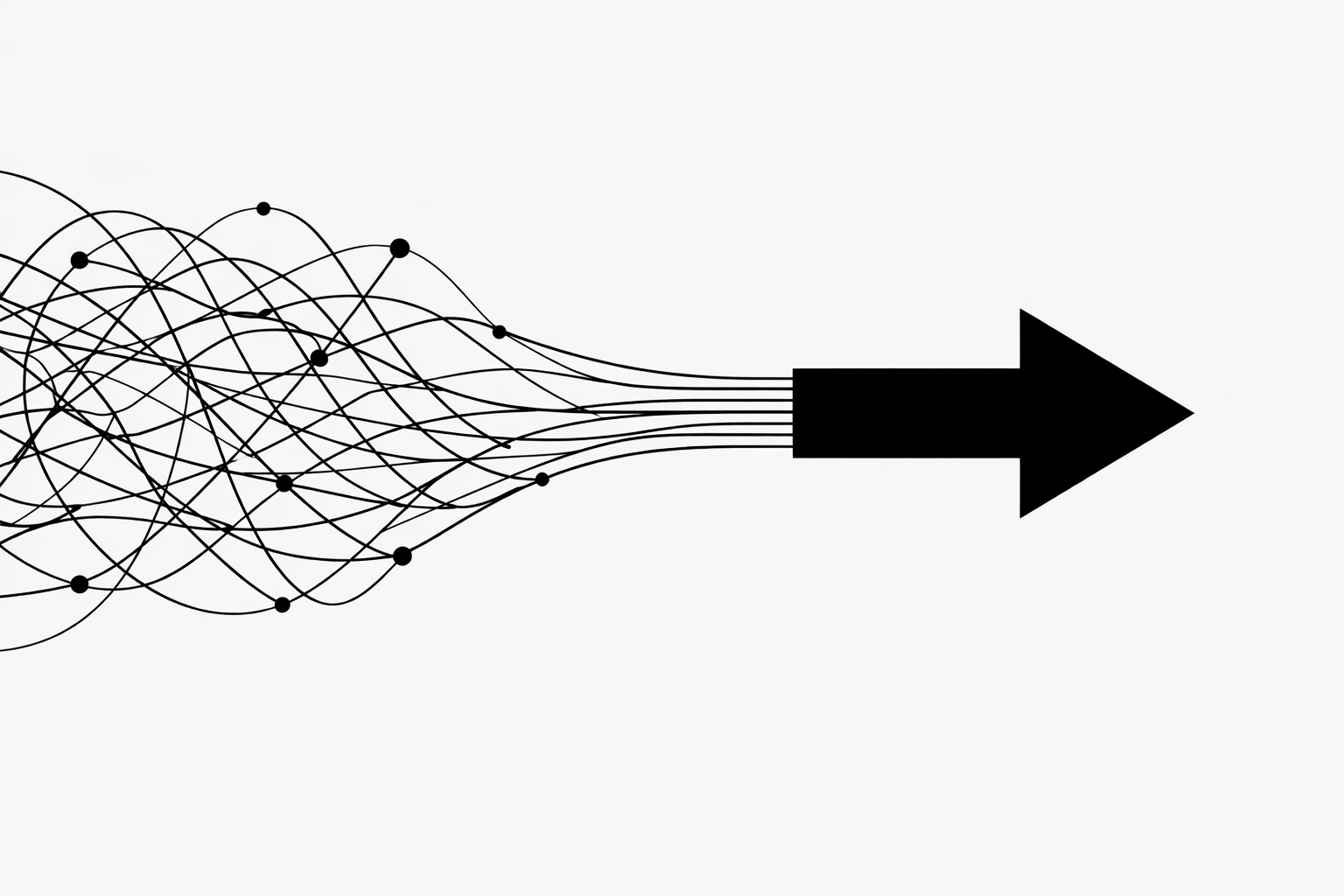
This isn't about being "data-driven." It's about being pattern-aware. Data without pattern recognition is just trivia. You know your Q4 revenue dipped 12%. You know employee turnover spiked in March. You know your Level 10 Meetings keep surfacing the same three issues. But do you know why? Do you see the thread connecting them? Do you understand the system producing these outcomes?
Most leadership teams don't. They treat every problem as isolated, every quarter as a fresh start, every issue as a one-off anomaly. Tony Robbins calls this "reaction mode": and it's the ultimate disadvantage. You're always one step behind because you're solving symptoms, not systems.
The Three Stages of Pattern Mastery
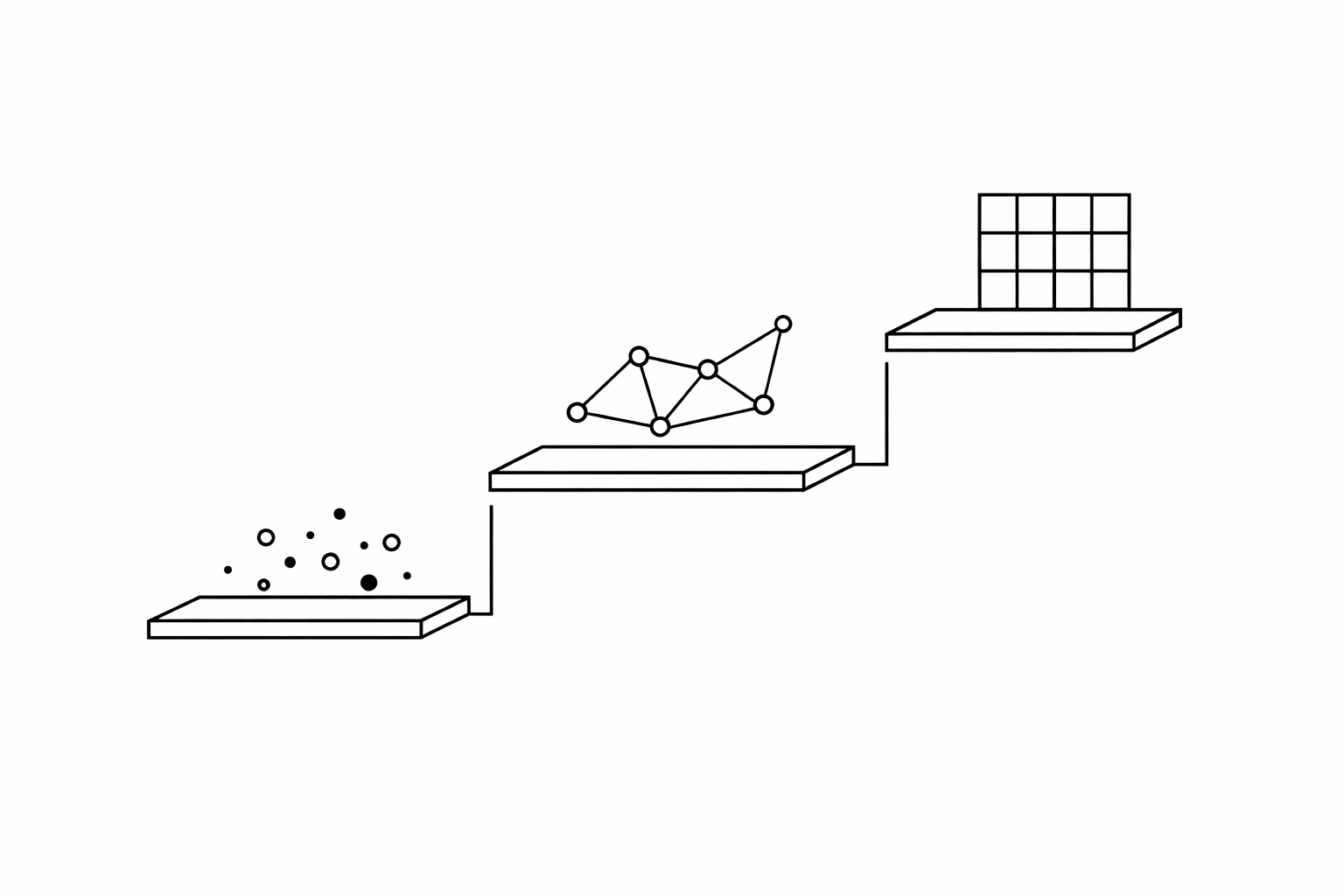
In his Diary of a CEO conversation, Robbins broke down the hierarchy of pattern recognition into three distinct stages. Each represents a level of leadership sophistication: and each unlocks exponential leverage.
Stage 1: Recognizing Patterns
This is the foundational skill: seeing what's actually happening. Not what you hope is happening. Not what your gut tells you is happening. What the system is repeatedly producing.
This stage requires you to step back from the weeds and observe your business as a system. When do your cash flow issues surface? What triggers your best clients to renew: or churn? Which leadership team behaviors predict a high-performing quarter versus a chaotic one?
Leaders at this stage stop being surprised by the same outcomes. They start noticing: "Every time we hire fast, we fire faster." "Every time revenue spikes, our operations collapse three months later." "Every time we skip our Quarterly Planning, we spend Q3 putting out fires."
The pattern was always there. You're just now seeing it.
Stage 2: Utilizing Patterns
Once you recognize the pattern, you can use it to your advantage. This is where prediction becomes possible.
If you know that Q1 cash flow tightens every year because of payment terms, you don't panic: you plan. If you know that a key leader gets overwhelmed when the team drops its meeting rhythm for two weeks, you protect the cadence. If you know that your best hires come from employee referrals and your worst come from job boards, you shift your recruiting strategy.
Leaders at this stage stop reacting and start anticipating. They're not smarter than everyone else: they've just done the work to understand their business's rhythms, cycles, and triggers. They know which levers to pull and when to pull them.

When you review the same leading indicators over 13 weeks, the pattern emerges. When the same operational breakdown shows up for the fourth time, you stop treating it like an anomaly and start asking: "What system is producing this outcome?"
Stage 3: Creating Patterns
This is mastery. Leaders at this stage don't just recognize and use patterns: they design them. They engineer new systems, new rhythms, new behaviors that produce the outcomes they want.
This is the difference between a reactive leadership team and a self-aware, high-performing one. Instead of responding to problems, they create the conditions that prevent them. Instead of hoping for alignment, they build structures that enforce it. Instead of solving the same issue quarterly, they install a process that eliminates it.
This isn't motivational talk: it's operational design. The leadership team defines the few repeatable rhythms that matter—weekly accountability, monthly financial reviews, quarterly priority resets—and turns them into non-negotiables. These aren't just habits. They're pattern-creation mechanisms that establish clearer ownership, tighter execution, and fewer “surprises.”
Leaders who reach this stage aren't lucky. They've engineered luck by creating systems that compound success and interrupt failure loops before they gain momentum.
Anticipation Is the Ultimate Advantage
Robbins is relentless on this point: "Anticipation is the ultimate advantage. Reaction is the ultimate disadvantage."
When you're reacting, you're always playing defense. You're solving yesterday's problem today, which means tomorrow's problem is already growing unchecked. You're behind before you start.
When you're anticipating, you've shifted time horizons. You're not guessing what might happen: you're predicting what will happen based on observable patterns. And because you see it coming, you can act early, decisively, and with confidence.
This is what makes pattern recognition so disproportionately powerful in business. The leader who sees the cash flow pinch in January can secure a line of credit in November. The leader who recognizes that skipping Quarterly Planning always leads to misalignment can protect the calendar in advance. The leader who notices that every failed Rock had unclear ownership can tighten accountability before the next quarter starts.
They're not smarter. They're not working harder. They've just developed the skill to see the signal beneath the noise.
From Symptom-Solving to System-Fixing
The most expensive mistake leadership teams make is solving the same problem over and over without recognizing the pattern. You hire for a role, the person doesn't work out, you hire again. You launch a new initiative, it fizzles, you launch another. You set priorities, they don't get done, you set new ones.
Each time, you treat it like an isolated incident. "We just hired the wrong person." "We just didn't execute well this time." "We just need to set better goals."
But if it keeps happening, it's not an incident: it's a pattern. And until you see the pattern, you'll keep solving symptoms while the root cause compounds.
Pattern-aware leaders ask different questions:
Why do we keep hiring the wrong people? (Maybe our interview process doesn't assess for culture fit.)
Why do our initiatives keep fizzling? (Maybe we're launching too many at once without focus.)
Why do priorities keep slipping? (Maybe ownership is unclear, or the organization is overcommitting.)
Once you see the pattern, the solution becomes obvious. You don't need to work harder: you need to change the system producing the outcome.
This is where Tony Robbins' framework becomes actionable. Stage 1: Recognize the pattern. Stage 2: Use it to predict where the breakdown will happen next. Stage 3: Create a new pattern: a new system: that produces the result you actually want.
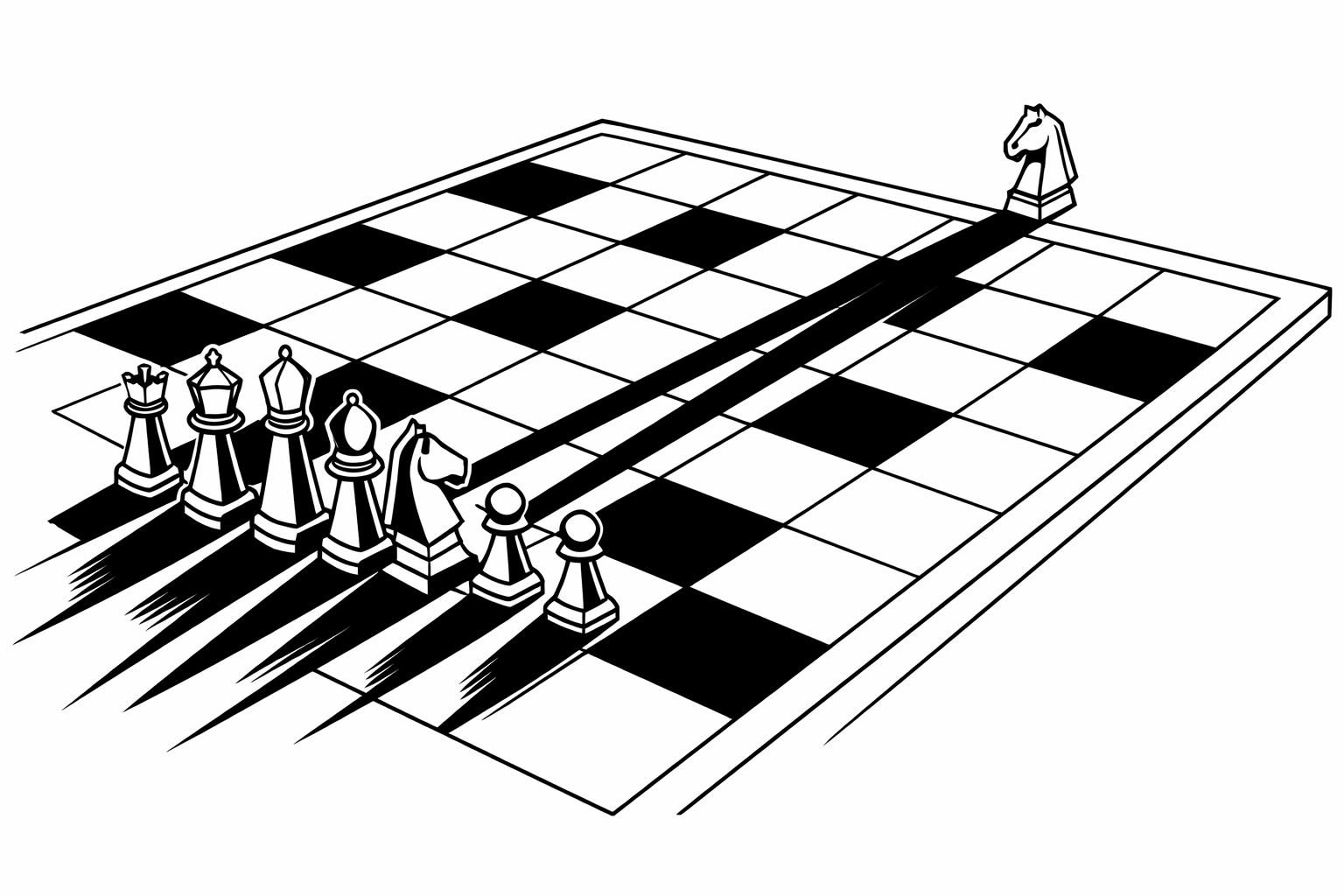
The goal isn't perfection. It's building an organization that learns from its patterns and evolves accordingly.
The Competitive Edge You Can't Outsource
Here's the bottom line: pattern recognition is a learnable skill, but it requires intention, observation, and discipline. The more you expose yourself to the recurring rhythms of your business—through consistent leading indicators, disciplined meeting cadences, and honest quarterly reviews—the sharper your ability to spot patterns becomes.
Leaders who develop this skill move faster, decide better, and navigate uncertainty with confidence. They stop being surprised by the same problems because they've already anticipated them. They stop reacting because they've engineered systems that create the outcomes they want.
And in a world where everyone has access to the same information, the leader who can see the pattern beneath the noise has an unbeatable advantage.
Ready to Stop Reacting?
If you're tired of being surprised by the same business hurdles quarter after quarter, it's time to build the discipline to spot patterns early—and act before the consequences hit.
Let's talk about what patterns your business is trying to show you: and how to use them to finally get the traction you've been chasing.
Email Ryan at ryan@flaglinestrategy.com.


Comments