· 8 min read
Beyond the GWC: How the Six Working Geniuses Predicts Team Success
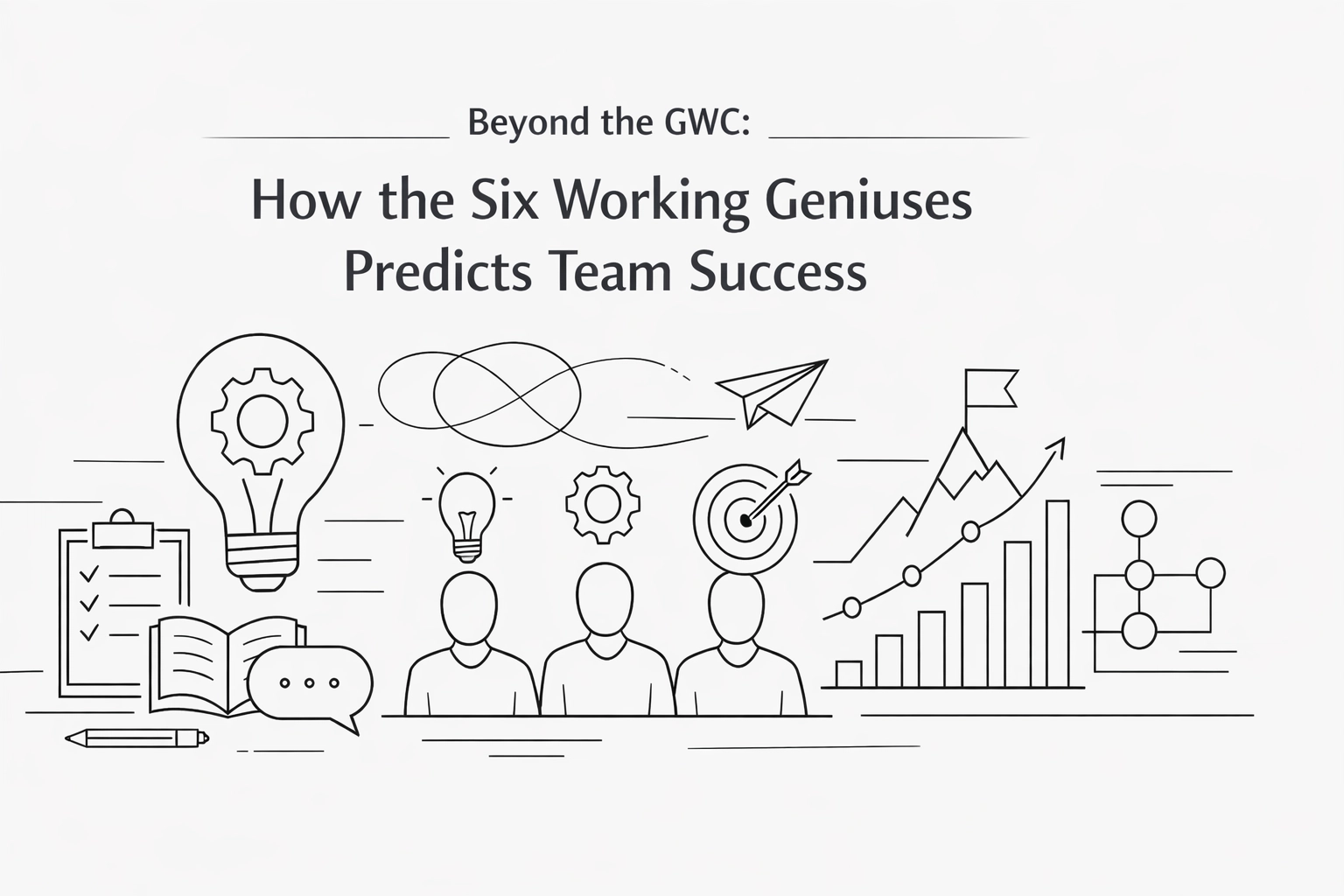
Your leadership team checks every box on paper. Everyone Gets it: they understand their roles. They Want it: motivation isn’t the issue. They have the Capacity: skills, experience, and bandwidth are all there. Yet projects stall in the final stretch. Brainstorming sessions generate excitement that evaporates by Tuesday. Tasks sit in limbo, waiting for someone to make a decision no one seems equipped to make.
The Right People, Right Seats principle from EOS (Entrepreneurial Operating System) remains foundational: GWC isn’t wrong. But it’s incomplete. Patrick Lencioni’s Six Types of Working Genius reveals what GWC misses: the specific type of work that energizes each person and the predictable gaps that emerge when critical phases of work go unrepresented.
The GWC Framework’s Hidden Limitation
GWC operates as a binary assessment. Does this person get their role? Check. Do they want to be here? Check. Can they handle the workload? Check. Three yeses, and you’ve got the right person in the right seat.
This framework works remarkably well for identifying obvious mismatches: the detail-oriented analyst forced into a high-energy sales role, or the visionary stuck executing someone else’s plan. But GWC doesn’t distinguish between different types of competence or different sources of fulfillment within a role that someone technically “gets.”
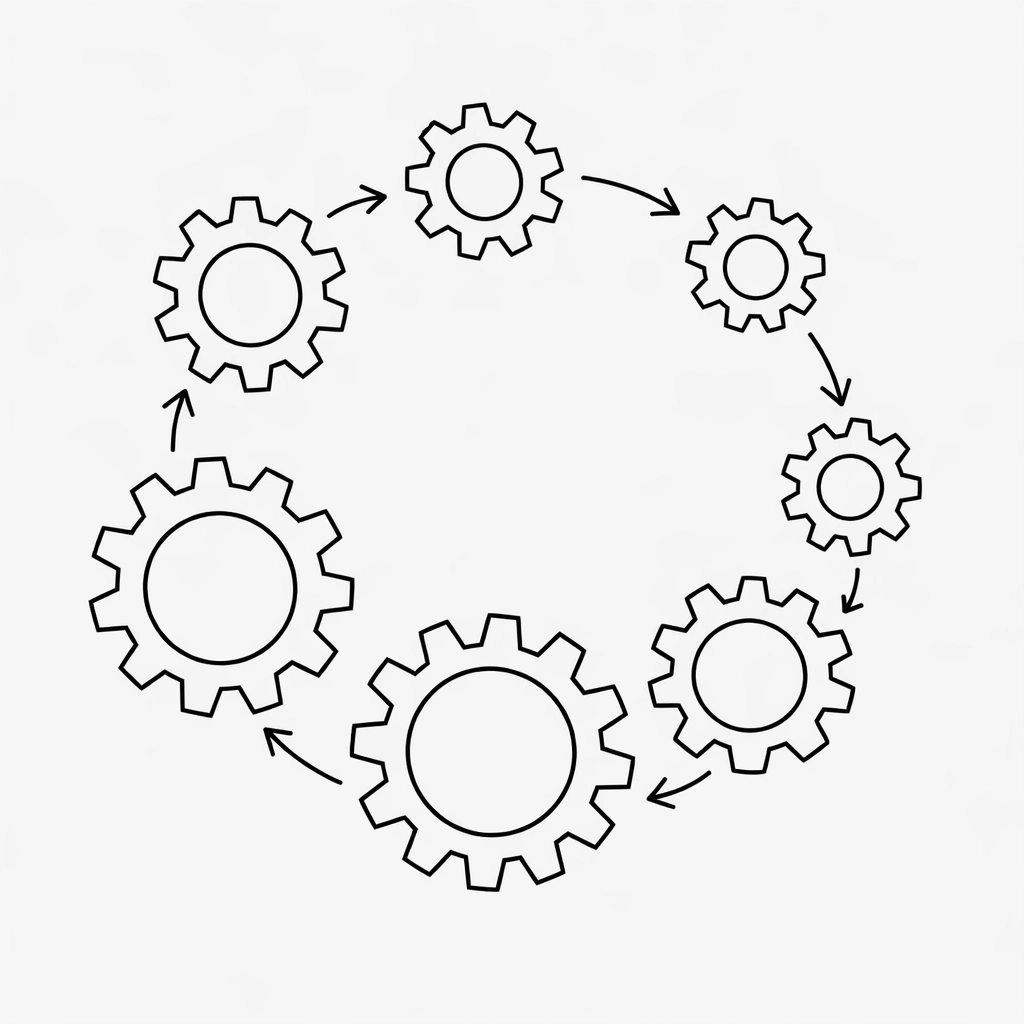
Consider your Integrator. They understand the role, want the responsibility, and have the capacity to manage operations. GWC says they’re perfect. But if their natural genius lies in Wonder and Invention: asking provocative questions and creating new solutions: they’ll slowly suffocate in a role that demands relentless Tenacity and Enablement. They’ll perform adequately while their energy drains week by week. GWC doesn’t predict this slow erosion of engagement.
The research bears this out: teams that align tasks with natural talents see measurably higher productivity and significantly reduced burnout. When people spend more time in their “genius zones,” work doesn’t just get done faster: it gets done with enthusiasm that compounds over time rather than depletes.
The Six Phases of Work: and Why All Six Matter
Lencioni’s framework identifies six distinct types of work that must occur for any initiative to succeed. Each corresponds to a natural talent: a Working Genius: that some people possess and others don’t:
Wonder: The ability to ponder, question, and observe. These individuals naturally ask “Why?” and “What if?” They spot problems others overlook and question assumptions everyone else accepts. Wonder initiates change.
Invention: The talent for creating original ideas and solutions. Inventors respond to Wonder’s questions with possibilities. They thrive in whitespace, connecting disparate concepts into something novel. Invention translates questions into options.
Discernment: The instinct for evaluating ideas and assessing patterns. These team members possess intuitive judgment about what will work and what won’t. They filter Invention’s possibilities, saving teams from pursuing dead ends. Discernment provides quality control before resources get committed.
Galvanizing: The gift of rallying people to action. Galvanizers generate enthusiasm and momentum. They take ideas that have passed Discernment and make people care enough to act. Galvanizing converts decision into movement.
Enablement: The capacity to provide support and assistance. Enablers respond to needs as they arise, offering help without resentment. They facilitate others’ success, clearing obstacles and providing resources. Enablement sustains momentum.
Tenacity: The drive to push through to completion. These individuals finish what others start. They persist through obstacles, manage details, and ensure nothing falls through cracks. Tenacity delivers results.
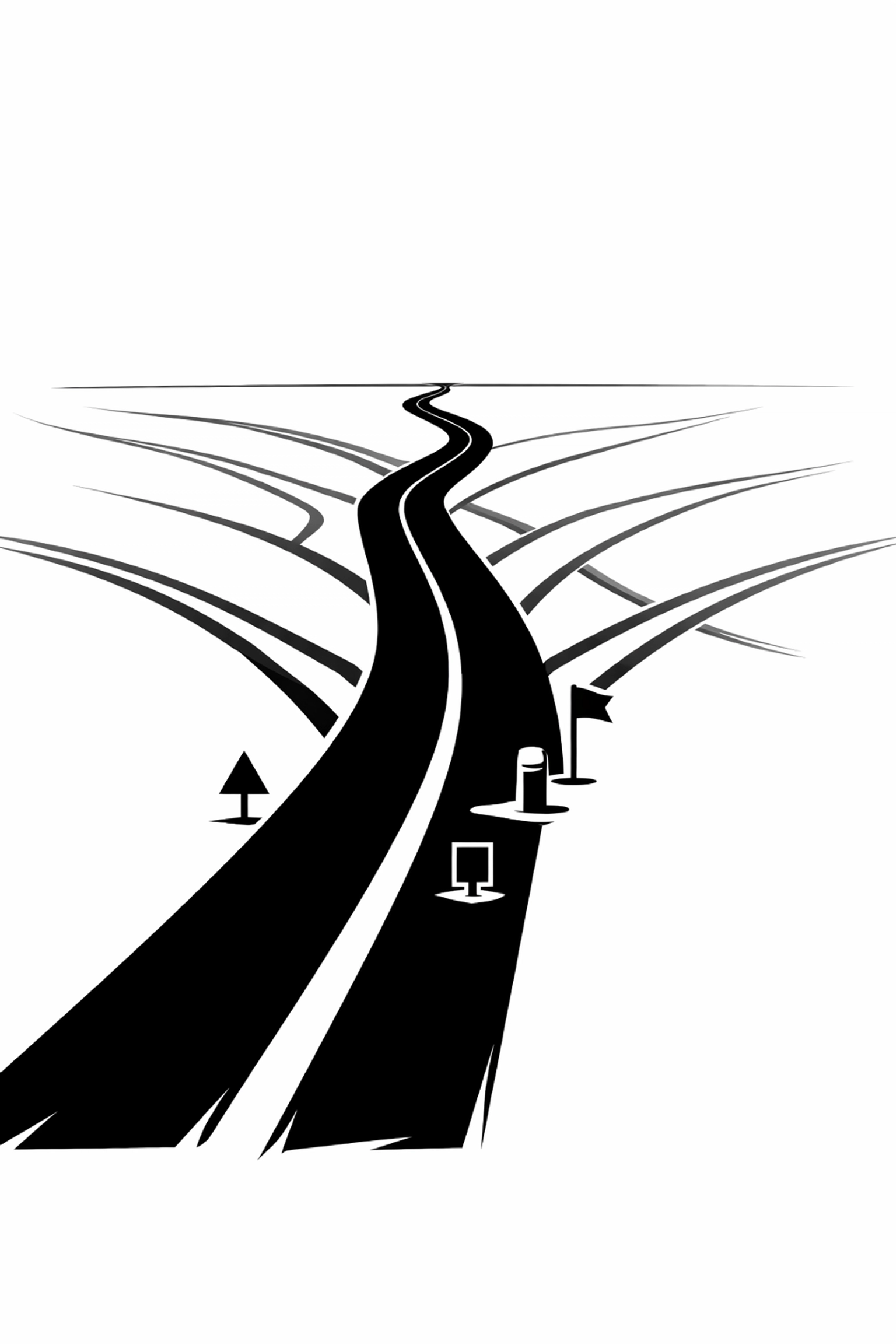
Each person typically possesses two Working Geniuses: areas where they experience joy and energy. They have two areas of Competency: work they can do adequately but which drains them over time. And they have two areas of Frustration: work that depletes them rapidly and produces mediocre results.
Where GWC Stops and Working Genius Begins
The gap between frameworks becomes stark in real-world scenarios. Take a leadership team running quarterly planning sessions:
The GWC View: Everyone in the room gets strategic planning, wants to be there, and has the capacity to contribute. The Accountability Chart is clean. Seats are filled correctly.
The Working Genius Reality: The team has three people strong in Wonder and Invention. The first hour generates dozens of exciting possibilities. But no one possesses Discernment: the instinct to evaluate which ideas merit pursuit. The session ends with a list of 23 initiatives and zero clarity about priorities. Three months later, nothing significant has launched because no one had the Galvanizing talent to create urgency or the Tenacity to drive completion.
GWC predicted success. Working Genius predicted exactly what happened.
Or consider the opposite scenario: a team dominated by Discernment, Enablement, and tenacity. Projects move forward efficiently once they start. But the team rarely generates breakthrough ideas because Wonder and Invention are underrepresented. They optimize existing operations beautifully while missing market shifts their competitors spotted months earlier.
The Productivity-Fulfillment Connection
The research on team performance reveals a pattern: efficiency without alignment creates unsustainable productivity. Teams can force mismatched talent to execute through sheer discipline. People with Competency in Tenacity will finish projects even though it drains them. The work gets done. For a while.
But productivity fueled by draining work rather than energizing work follows a predictable trajectory: initial compliance, gradual fatigue, eventual disengagement. The six-month mark typically reveals the damage: increased errors, declining initiative, unexplained absences, and the particular exhaustion that comes from sustained effort in areas that deplete rather than restore.
Healthy teams flip this dynamic. They engineer roles and responsibilities around natural genius zones. The person with Tenacity doesn’t just finish projects: they volunteer to finish them because completion brings them satisfaction. The Enabler doesn’t resent support requests; they seek opportunities to clear others’ obstacles. Work still requires effort, but it’s effort that energizes rather than depletes.
This explains why some leadership teams outperform others despite similar talent levels. The difference isn’t raw capability: it’s the degree of alignment between the work demanded and the genius supplied.
Strategic Mapping: Beyond Filling Seats
The practical application starts with honest assessment. Most leadership teams assume they know where their natural talents lie. The assumption is usually incomplete at best, wrong at worst.
The Working Genius assessment provides objective data: a shared language for discussing what energizes and what drains each team member without judgment or defensiveness. The conversation shifts from “Why aren’t you finishing these projects?” to “You don’t have Tenacity as a genius, and we’re asking you to live there daily. What needs to change?”
Three patterns emerge consistently:
Pattern One: Teams discover they’ve overloaded specific individuals with work outside their genius zones because “someone has to do it.” The solution isn’t discipline: it’s redistribution. Shifting that Tenacity-dependent work to someone energized by completion transforms both performance and morale.
Pattern Two: Leadership teams realize they lack representation in critical phases. No one possesses strong Discernment, so ideas move forward without proper evaluation. No one has Galvanizing talent, so strategy sessions generate plans that lack urgency. These aren’t people problems: they’re structural gaps requiring either hiring or partnership with outside perspectives.
Pattern Three: Role clarity improves dramatically when teams map responsibilities to geniuses. The Visionary-Integrator relationship becomes less mysterious: Visionaries typically excel at Wonder and Invention; Integrators often bring Discernment and Tenacity. Conflicts that looked like personality clashes reveal themselves as natural tension between necessary but different phases of work.
The GWC-Genius Integration
Working Genius doesn’t replace GWC: it completes it. The integration looks like this:
Start with GWC to identify obvious mismatches and confirm baseline competence. Then layer Working Genius to ensure fulfillment and predict performance sustainability. A complete assessment asks four questions:
- Do they Get it? (Role clarity)
- Do they Want it? (Motivation)
- Do they have Capacity? (Skill and bandwidth)
- Does this role align with their Working Genius? (Energizing fit)
The fourth question predicts whether year-two performance will match year-one enthusiasm. It identifies which responsibilities will feel like “work” in the negative sense versus work that creates energy. It explains why some high-capacity people underperform while others with average skills consistently overdeliver.
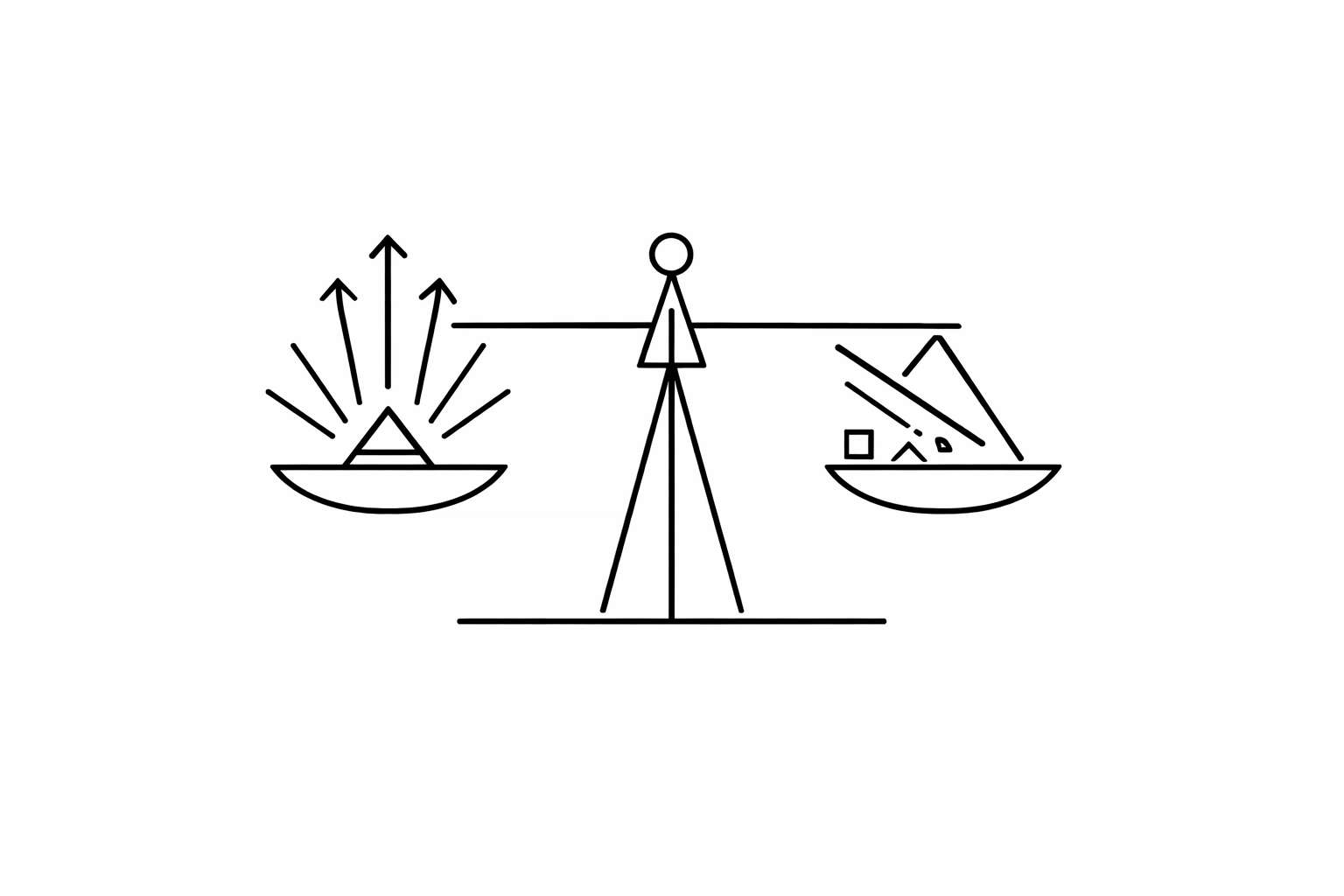
For EOS companies specifically, this framework offers precision for defining “Get it.” Someone might understand their Accountability Chart responsibilities intellectually while fundamentally misunderstanding whether those responsibilities align with how they’re naturally wired to contribute. Working Genius makes that distinction visible before frustration builds.
Building Teams That Sustain Momentum
The most effective leadership teams treat Working Genius as both diagnostic and design tool. They audit existing responsibilities against genius zones, then redesign workflows to honor natural strengths. This doesn’t mean people never work outside their geniuses: it means the majority of their contribution comes from areas that energize them.
Meetings become more productive when structured around the six phases. Brainstorming sessions explicitly recruit Wonder and Invention. Evaluation sessions ensure Discernment is present. Launch planning taps Galvanizing. Implementation reviews lean on Enablement and Tenacity. The right people contribute at the right moments rather than everyone attempting all phases.
Project teams get assembled based on required geniuses rather than availability or seniority. A strategic initiative demanding breakthrough thinking recruits Wonder and Invention, even if those people aren’t the most experienced. An operational improvement requires Discernment and Tenacity more than visionary creativity.
This approach doesn’t just improve outcomes: it transforms team health. People experience being valued for their natural contributions rather than judged for lacking talents they don’t possess. Energy increases. Frustration decreases. The work still demands effort, but it’s effort directed through natural channels rather than against them.
The Path Forward
GWC gets you close: closer than most organizations ever get to right-seat alignment. But “close” leaves gaps that accumulate into significant dysfunction over time. Projects that stall mysteriously. Team members who perform adequately but never enthusiastically. Strategic plans that lack either bold ideas or practical completion.
Working Genius reveals the pattern beneath these frustrations. It predicts which phases of work will energize your team and which will drain them. It identifies structural gaps before they become people problems. And it provides the language to discuss fulfillment and productivity as intertwined rather than competing concerns.
Your team might check every GWC box and still underperform if Wonder lacks Tenacity to finish what it starts, or if Invention isn’t balanced by Discernment to evaluate what’s worth pursuing. Healthy teams don’t just have the right people: they understand where those people’s natural energy comes from and structure work accordingly.
That’s the difference between teams that sustain excellence and teams that cycle through capable people who somehow never quite deliver.
Want to map your leadership team’s Working Genius and identify where natural energy meets business needs? Reach out to Ryan at ryan@flaglinestrategy.com to explore how your team stacks up: and where strategic adjustments could unlock sustained momentum.